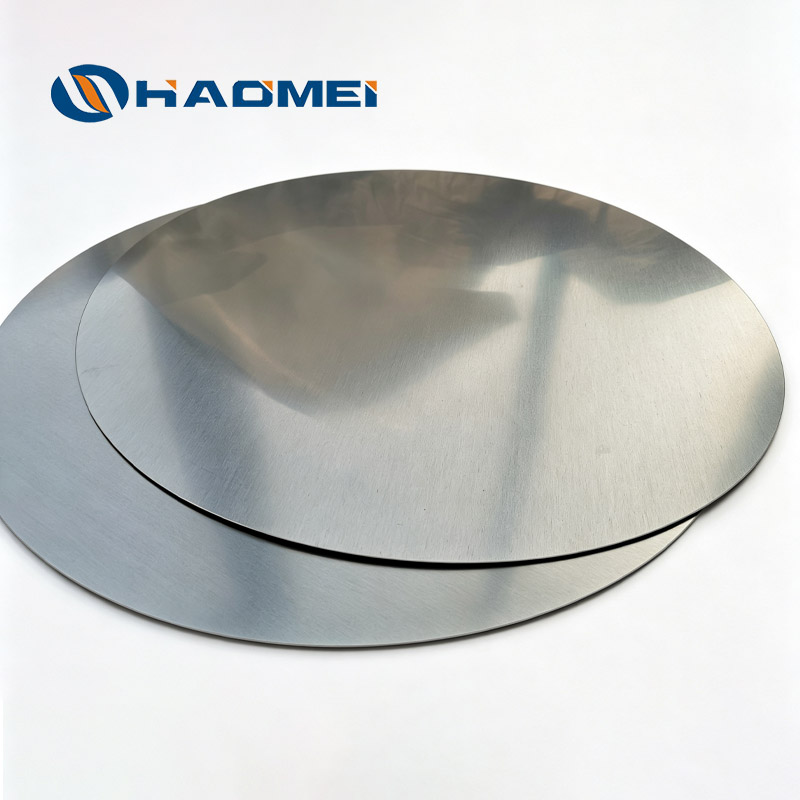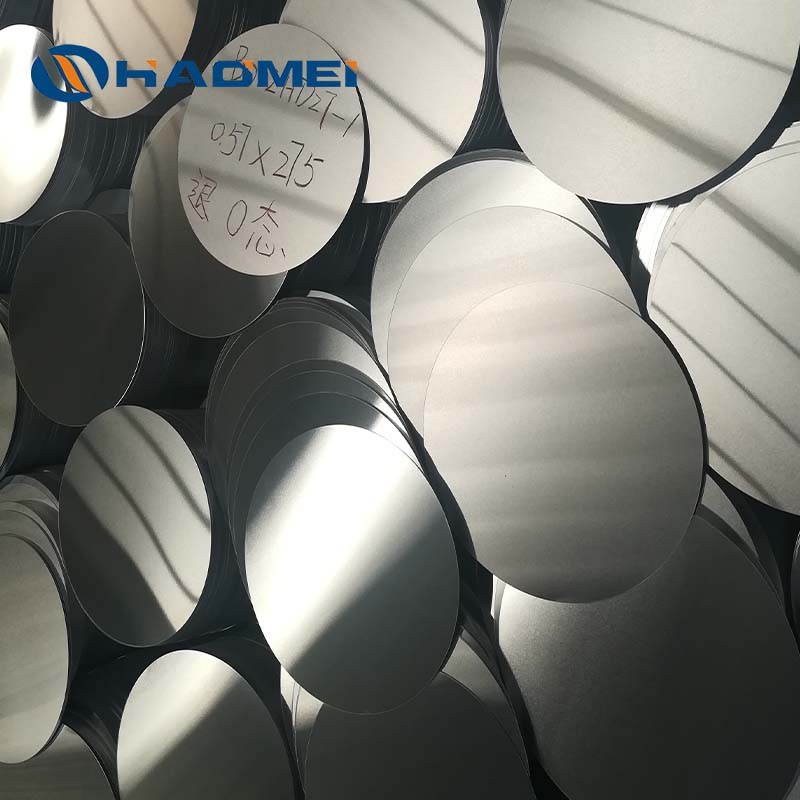


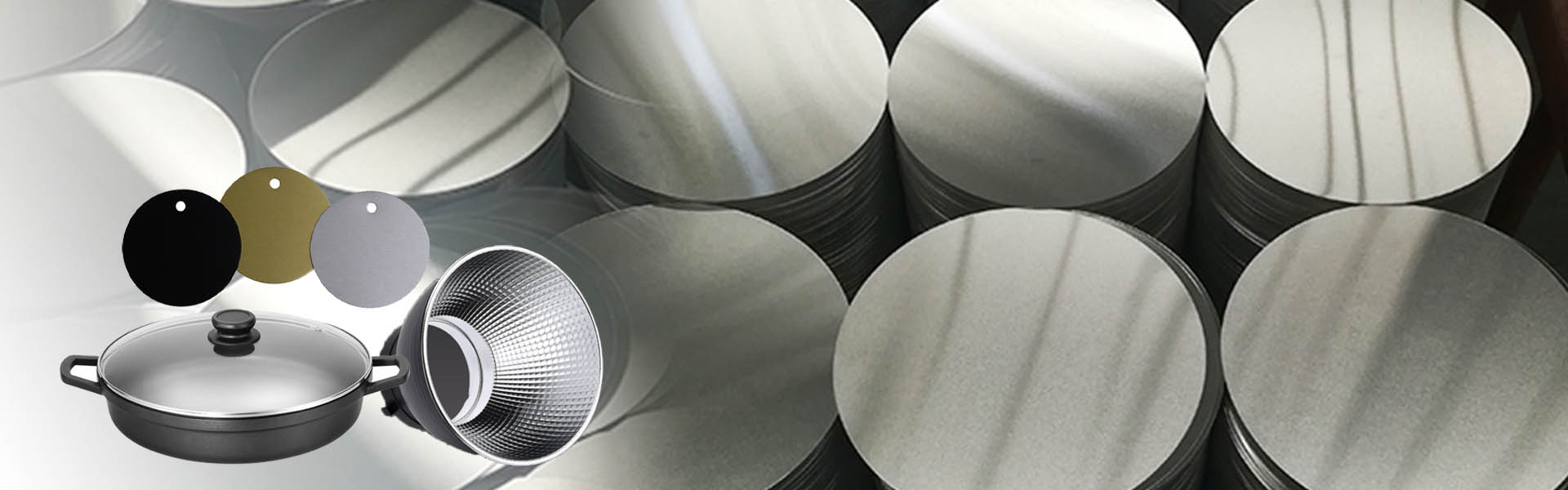
Aluminium circle price should be assessed as a delivered, specification-controlled cost rather than a single rate per tonne. For cookware, lighting, traffic signs, and deep-drawn components, a low initial quotation can become expensive if discs crack during forming, vary in thickness, or create excess trim scrap.
The most important commercial feature is consistent forming performance at the agreed metal-cost basis. Procurement teams should therefore separate the aluminium market component from conversion, yield, finishing, and logistics before comparing offers.
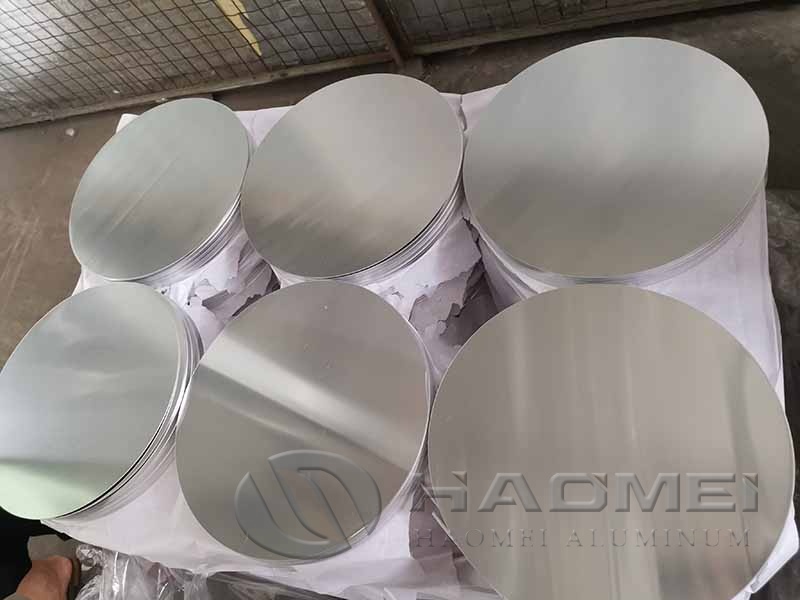
Build a Comparable Aluminium Circle Cost Model
Most circle quotations contain two major elements: the aluminium value and the processing value. The primary aluminium component normally tracks the London Metal Exchange (LME) aluminium cash settlement, plus an applicable regional physical premium. LME publishes official settlement data; use the quotation date, currency, and price basis stated in the offer rather than comparing an old fixed-price quotation with a current market-index quotation.
A practical cost structure is:
| Cost element | What to specify in the quotation | Commercial risk if omitted |
|---|---|---|
| Metal basis | LME cash settlement date, averaging period, currency, regional premium | Unclear exposure to aluminium price movements |
| Alloy surcharge | 1050, 1060, 1070, 1100, 3003, 5052, or other agreed grade | Different alloy chemistry and performance |
| Conversion | Rolling, annealing, blanking, edge finishing, inspection | Hidden differences in process capability |
| Yield and scrap | Net disc weight, supplied weight, trim allowance, scrap ownership | Apparent low price inflated by poor yield |
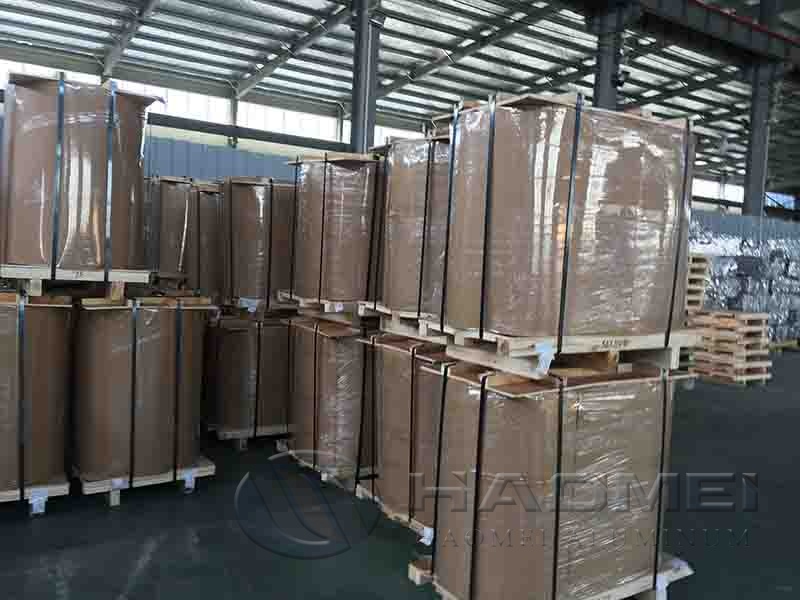
| Packing and freight | Pallets, interleaving, moisture protection, Incoterms 2020 location | Transit damage and unplanned delivered-cost variance |
| Payment terms | Deposit, balance, currency, credit period | Financing cost not visible in unit pricing |
Use this calculation for a like-for-like comparison:
Delivered unit cost = (metal basis + regional premium + conversion + finishing + packing + freight + duties) × supplied weight / net accepted weight
The ratio of supplied weight to net accepted weight matters. For example, a deep-drawn pan blank may require narrow thickness tolerance and low earing. If inconsistent material causes rejected formed parts, the actual cost per accepted pan rises even when the disc price is lower.
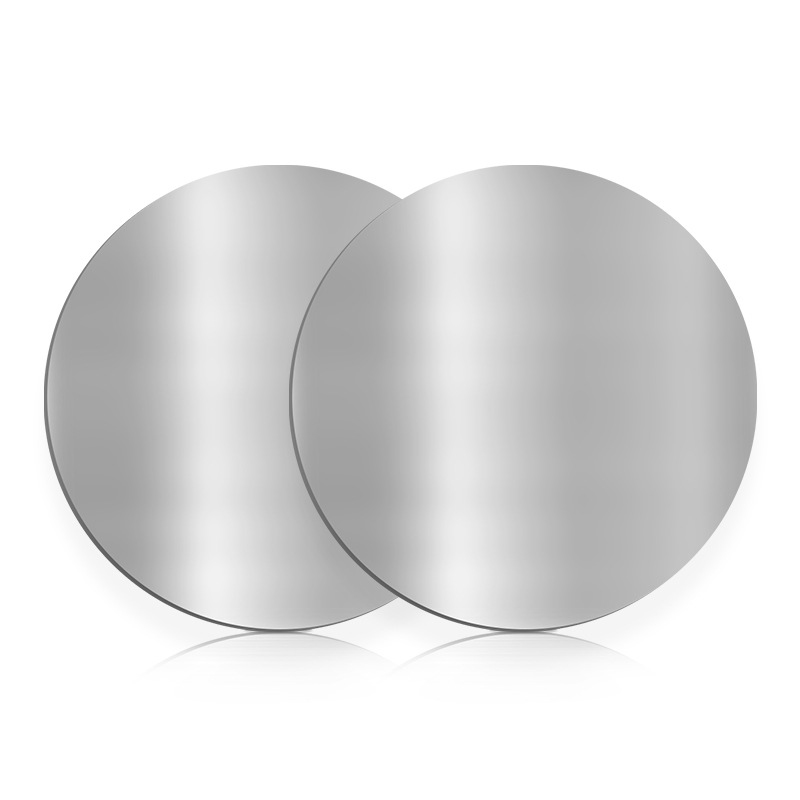
For standard cookware feedstock, DC CC Aluminum Circle Discs should be compared by route as well as alloy. DC material is generally selected where uniform structure and demanding deep drawing are required. CC material can be suitable for less severe forming, but qualification should confirm draw depth, surface condition, and thickness consistency for the actual tool set.
Market Timing and Contract Controls
Aluminium is cyclical. Costs are affected by LME prices, regional premiums, energy availability, alumina supply, freight, exchange rates, and trade measures. Primary smelting is electricity-intensive, so power disruptions or capacity curtailments can tighten supply even when downstream demand is moderate.
Use one of these purchasing structures:
| Contract method | Best use case | Control required |
|---|---|---|
| Fixed price | Short production window and stable demand | Define validity period and quantity tolerance |
| LME-linked price | Repeating consumption with volatile metal markets | State pricing date, premium, conversion, and FX method |
| Monthly average | Regular releases across a month | Define business days and treatment of holidays |
| Metal hedged separately | Large, predictable demand | Align hedge volume with actual call-off schedule |
Avoid a quotation that states only "aluminium price subject to market fluctuation." Require a written formula identifying the LME reference, physical premium, conversion charge, and revision trigger. This enables finance and operations teams to reconcile invoices without disputes.
Specify Quality That Protects Forming Yield
Aluminium circles are commonly produced by slitting or cutting rolled material, then blanking to diameter. The production route influences grain structure, edge quality, flatness, surface appearance, and deep-drawing behavior. For cookware and spun parts, alloy, temper, thickness tolerance, and burr control should be treated as linked requirements.
| Application | Common material direction | Critical controls |
|---|---|---|
| Deep-drawn cookware | 1050, 1060, 1070, 1100 in soft annealed condition | Elongation, earing, surface cleanliness, low burr |
| Spun cookware or lampshades | 1050/1060 or 3003, depending on strength need | Thickness consistency, edge condition, spinning performance |
| Hard-anodized cookware | 3003 or selected higher-strength alloy | Chemistry control, anodizing response, surface defects |
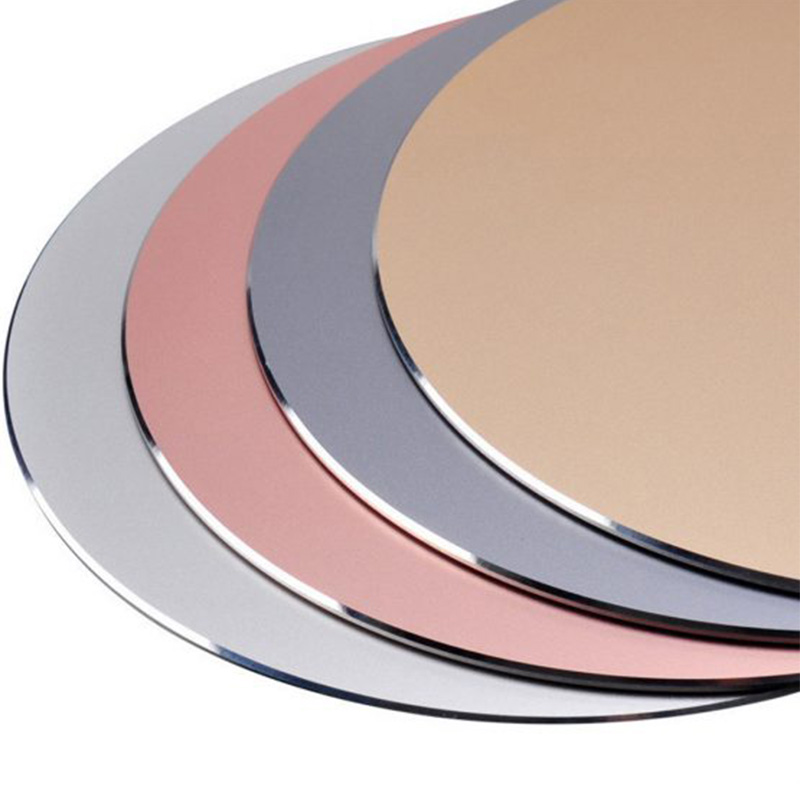
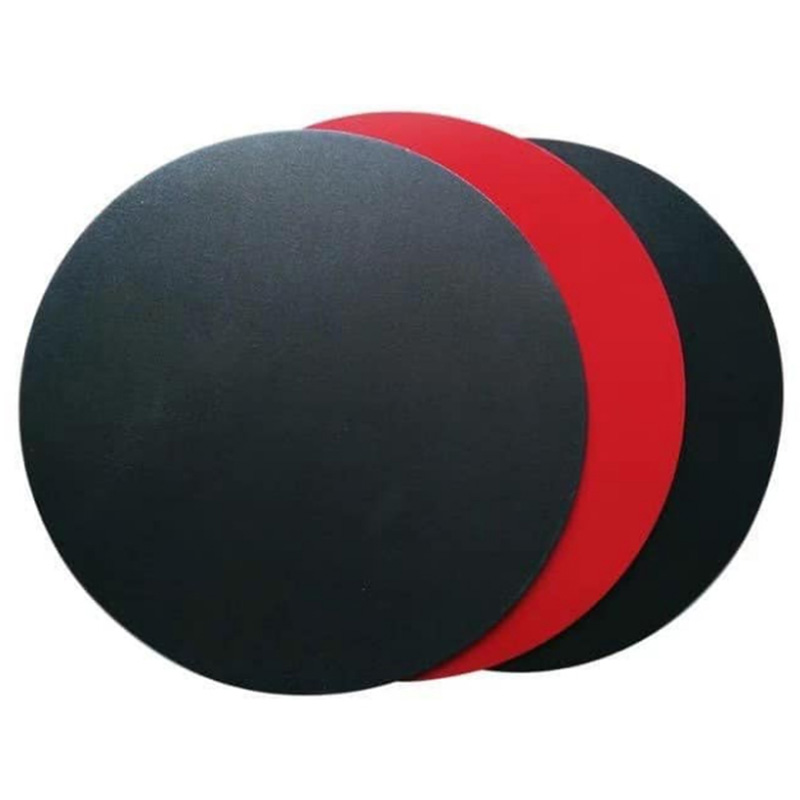
| Decorative or coated products | Pre-treated or coated circle material | Coating adhesion, color consistency, forming limit |
| Marine or higher-corrosion service | 5052 where design permits | Alloy certificate, temper, corrosion-performance requirements |
Do not specify only "soft temper." State the recognized temper designation, such as O, when applicable, and define measurable acceptance criteria. For a drawing programme, require trial blanks from the intended production route. Measure cracking, wrinkling, earing, and surface marking after forming, not only before shipment.
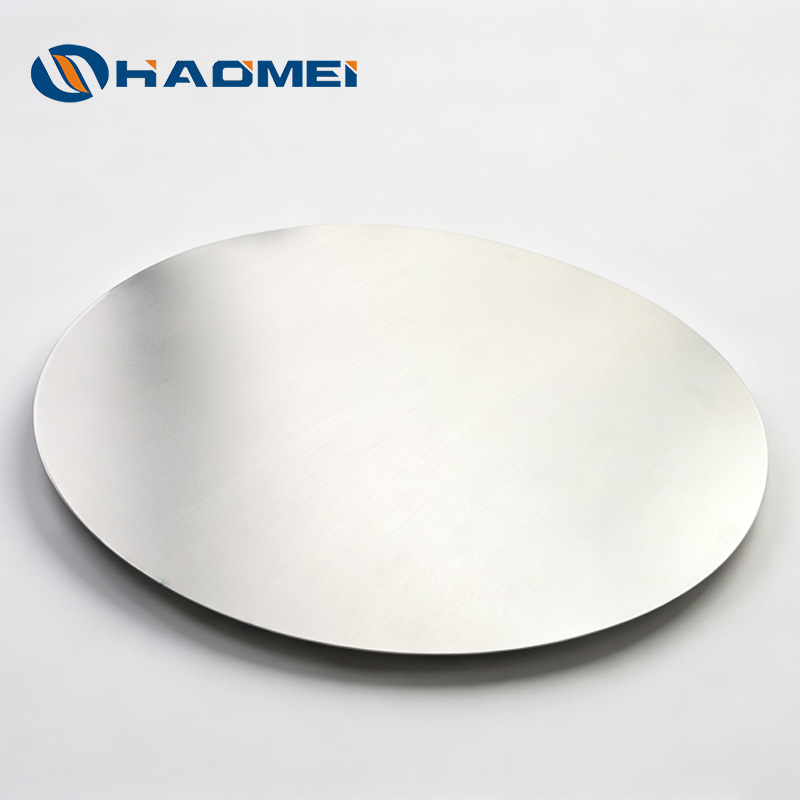
For projects requiring a hard anodized finish, Hard Anodized Aluminum Disc material should be evaluated through the complete sequence: forming, surface preparation, anodizing, sealing, and final appearance inspection. A defect-free incoming disc does not automatically guarantee uniform anodized color if chemistry, grain condition, or pretreatment varies.
Standards, Documents, and Receiving Checks
Reference standards according to the contractual market and end use. ASTM B209 covers aluminium and aluminium-alloy sheet and plate. EN 485-2 addresses mechanical properties of wrought aluminium and aluminium alloys, while EN 485-4 covers tolerances for cold-rolled sheet and strip. ISO 6361 is another relevant standard family for wrought aluminium and aluminium alloy sheets, strips, and plates.
For food-contact cookware, material compliance must cover the finished article and any coatings, inks, adhesives, or treatments. In the EU, Regulation (EC) No 1935/2004 establishes the framework for food-contact materials, and Regulation (EC) No 2023/2006 addresses good manufacturing practice. In the United States, applicable FDA requirements depend on the finished construction; for example, 21 CFR 175.300 applies to resinous and polymeric coatings. Confirm jurisdiction-specific requirements with the finished-product compliance file.
Use this receiving checklist for each lot:
| Check | Acceptance record |
|---|---|
| Identity | Alloy, temper, diameter, thickness, lot number, net weight |
| Certificate review | Mill test certificate with chemistry and mechanical properties where specified |
| Dimensional inspection | Diameter, thickness at defined points, flatness, burr height |
| Surface inspection | Oil, scratches, dents, oxidation, roller marks, staining |
| Forming trial | Agreed draw or spin test, rejection criteria, sample quantity |
| Packaging condition | Interleaving, dry wrapping, pallet stability, water-damage check |
| Traceability | Match packing list, certificate, inspection report, and production lot |
Set inspection sampling, permissible defect levels, claim period, and remedy method in the purchase order. These controls turn aluminium circle pricing from a headline number into a measurable delivered-cost decision.
Original source: https://www.aluminum-circle.com/a/aluminium-circle-price.html
Next: Aluminium Circle Price
Prev: How Aluminum Disc Thickness Affects Pot and Pan Performance