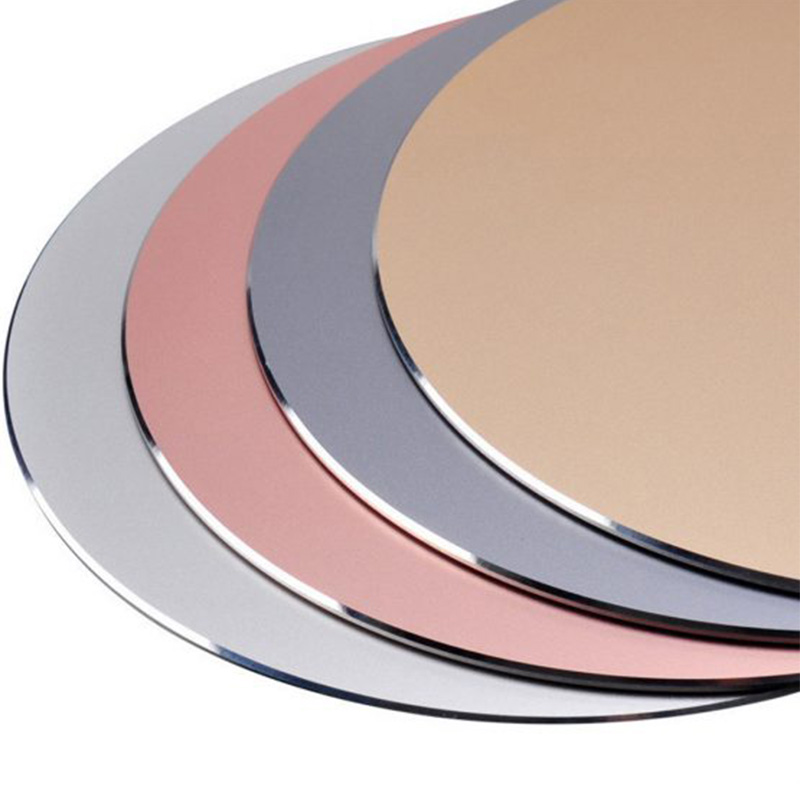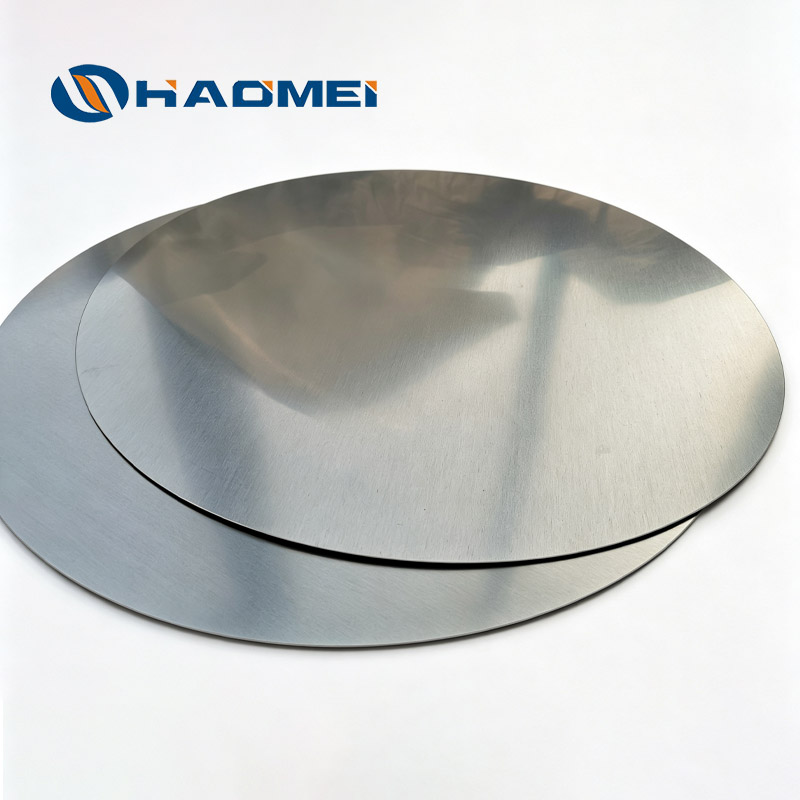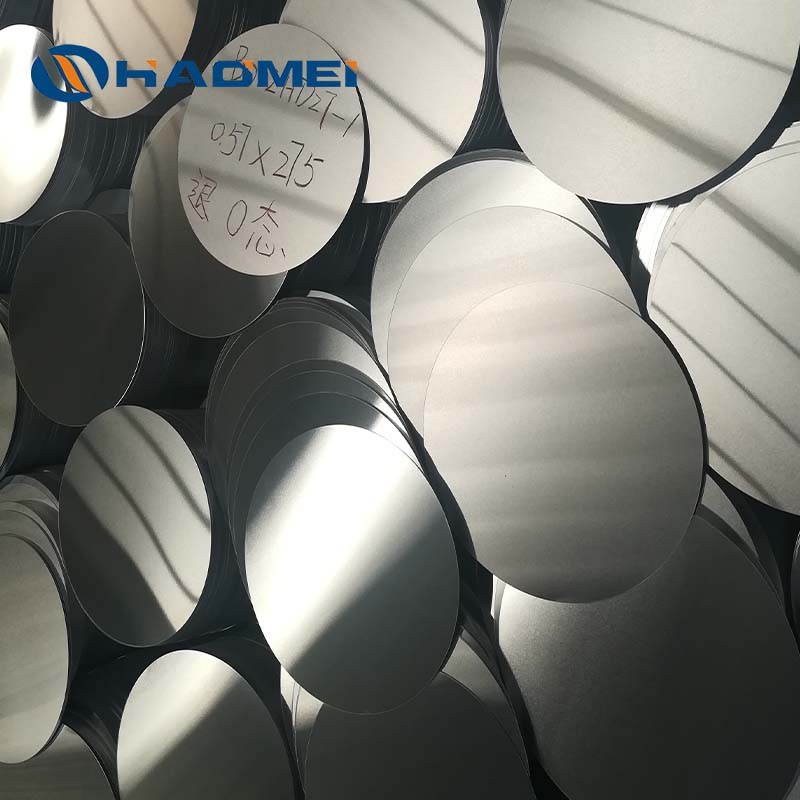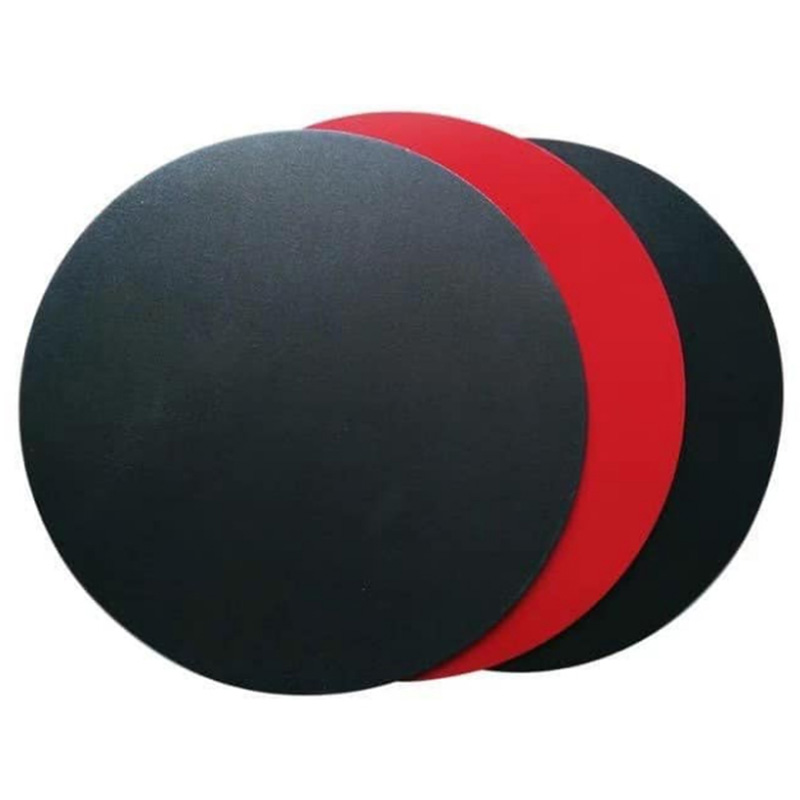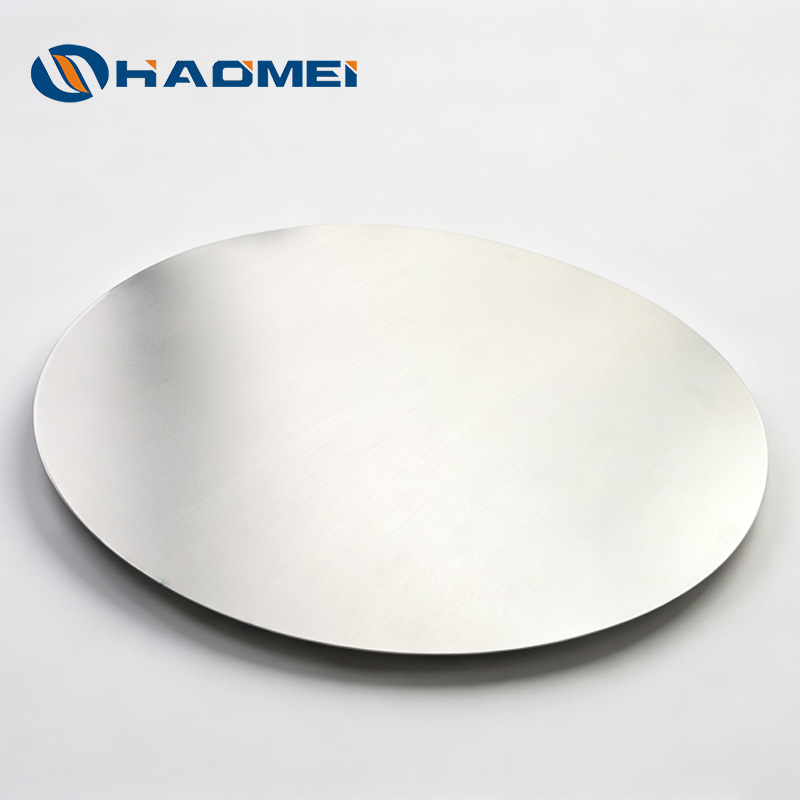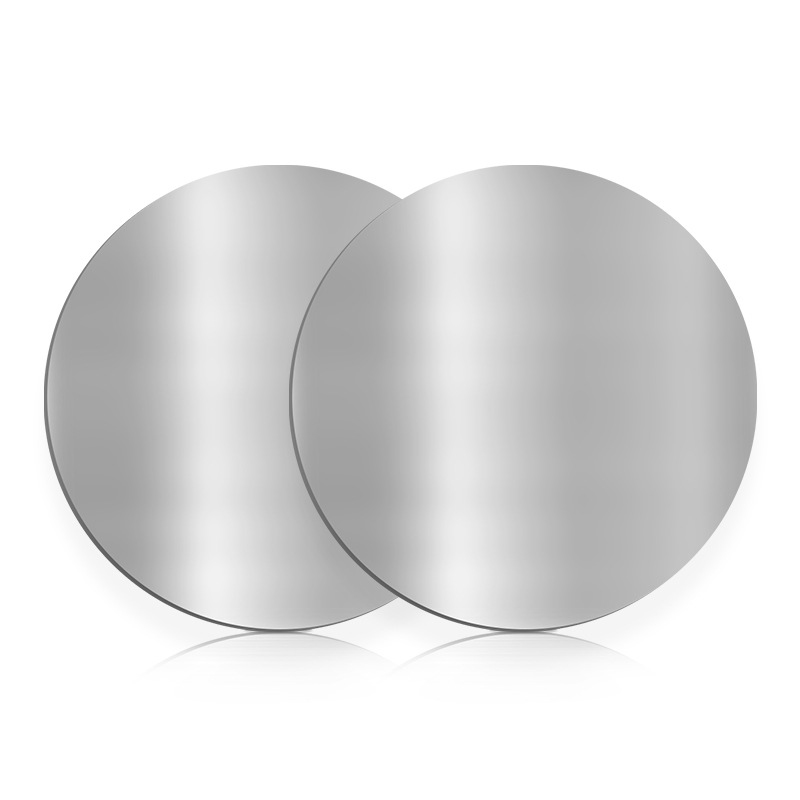


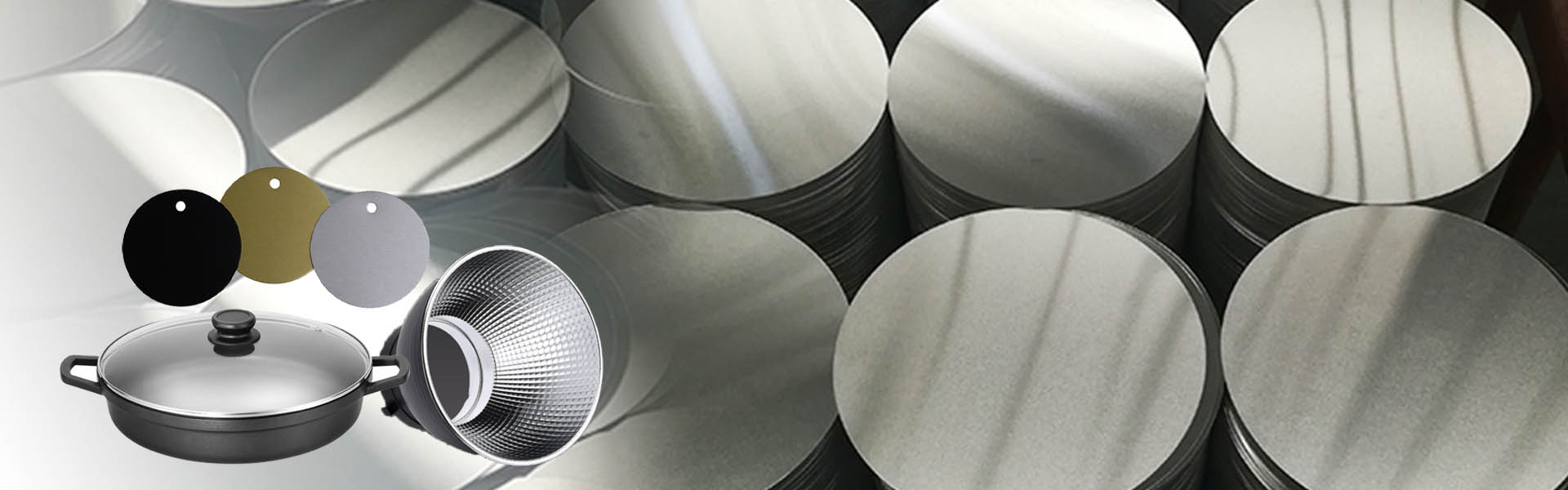
The thickness of an aluminum disc is one of the most important factors in cookware manufacturing. Whether it is used for a frying pan, stockpot, saucepan, wok, or pressure cooker, disc thickness directly influences heating behavior, durability, weight, forming performance, and overall cooking results.
Choosing the right thickness is therefore not simply a material decision—it is a product performance decision.
Heat Distribution and Cooking Consistency
Aluminum is widely valued for its excellent thermal conductivity. It transfers heat much faster than stainless steel and helps cookware respond quickly to changes in burner temperature.
However, thickness determines how effectively that heat is distributed.
A thin aluminum disc heats up very quickly, but it may develop hot spots, especially when used on gas burners or powerful induction-compatible bases. Hot spots can cause food to burn in one area while remaining undercooked in another.
A thicker disc spreads heat more evenly across the cooking surface. It absorbs and distributes energy before transferring it to food, resulting in more stable temperatures and fewer localized hot areas. This is particularly important for cookware used for frying, simmering sauces, cooking rice, or preparing delicate dishes.
For high-quality cookware, a well-selected aluminum disc for pot / pan production can significantly improve heating uniformity and user satisfaction.
Thickness and Heat Retention
Cookware with a thicker base generally retains heat longer than thinner cookware. Once heated, a thick aluminum pan stays hot even after the burner setting is reduced or turned off.
This feature is useful for:
Searing meat
Deep frying
Slow cooking
Braising
Maintaining stable simmering temperatures
Thin cookware cools down more quickly when cold ingredients are added. For example, placing refrigerated vegetables or meat into a thin frying pan can sharply reduce the pan temperature, affecting browning and cooking efficiency.
Thicker aluminum cookware provides more thermal stability, helping cooks achieve better and more consistent results.
Durability and Resistance to Warping
Thickness also has a major effect on cookware durability. During daily use, pots and pans experience repeated heating and cooling cycles. Over time, thin material can deform, especially if it is exposed to high temperatures or sudden temperature changes.
A thicker aluminum disc has better structural strength and is more resistant to warping. This matters for flat-bottom cookware, where even a small deformation can reduce contact with the cooktop.
Warped cookware may heat unevenly, wobble on a flat surface, or perform poorly on electric and induction stoves. For this reason, thicker discs are often preferred for premium cookware and commercial kitchen products.
Impact on Weight and Handling
While thicker aluminum improves heat performance and durability, it also increases the weight of the finished pot or pan.
Lightweight pans are easier to lift, toss, and store. They are often suitable for basic household cooking and cost-sensitive markets. However, extremely thin cookware may feel less stable and may not meet consumer expectations for long-term use.
Heavier cookware feels more solid and durable, but it can be less convenient for elderly users or for large-diameter products such as woks and stockpots.
Manufacturers must balance thickness with intended use. A small omelet pan may require less material than a large sauté pan or heavy-duty cooking pot.
Forming and Manufacturing Performance
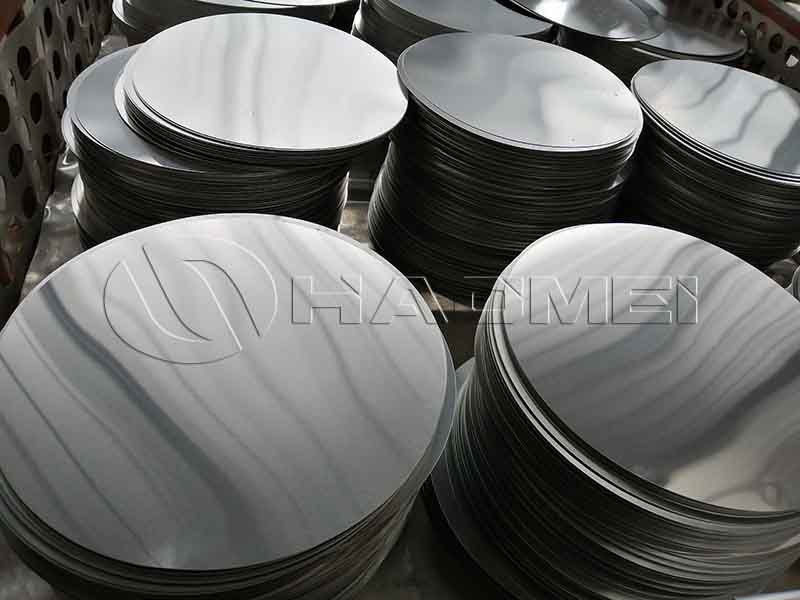
Aluminum discs are commonly processed through deep drawing, spinning, stamping, or other forming methods. Material thickness affects how easily the disc can be shaped into the final cookware body.
Very thin discs are easier to form but may be more likely to wrinkle, stretch unevenly, or lose dimensional stability during production. Thicker discs provide greater strength, although they may require more powerful forming equipment and carefully controlled tooling.
Working with an experienced aluminum disc manufacturer china can help cookware producers select the right alloy, temper, diameter, and thickness for efficient manufacturing.
Typical Thickness Selection
The ideal thickness depends on cookware type, diameter, design, and target market. In general:
Thin discs: Suitable for lightweight and economical cookware
Medium-thickness discs: Suitable for everyday household pots and pans
Thick discs: Best for premium, heavy-duty, and high-heat cookware
Many manufacturers also use different thicknesses for different products within the same cookware collection. A saucepan, frying pan, and stockpot may each require a different material specification to deliver the best balance of performance and cost.
Conclusion
Aluminum disc thickness has a direct impact on pot and pan performance. It affects heat distribution, heat retention, resistance to warping, weight, durability, and manufacturing efficiency.
Thinner discs can reduce material cost and product weight, while thicker discs offer better stability, more even cooking, and longer service life. The best choice depends on the intended application, cookware design, and customer expectations.
By selecting the appropriate aluminum disc thickness, cookware manufacturers can create products that perform reliably in the kitchen and deliver lasting value to consumers.
Original source: https://www.aluminum-circle.com/a/how-aluminum-disc-thickness-affects-pot-and-pan-performance.html
Prev: Aluminum Round Circle