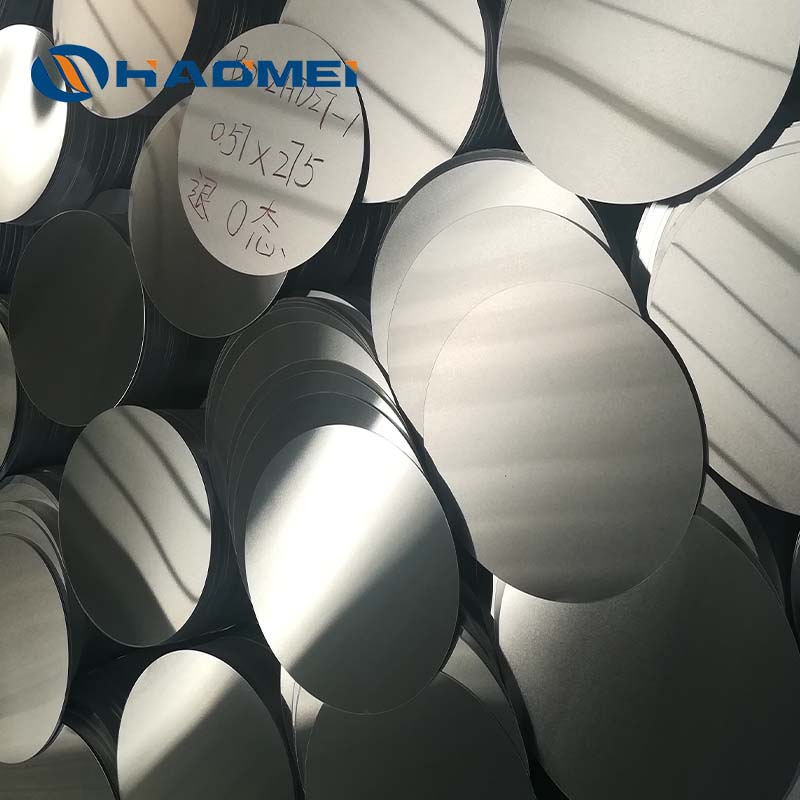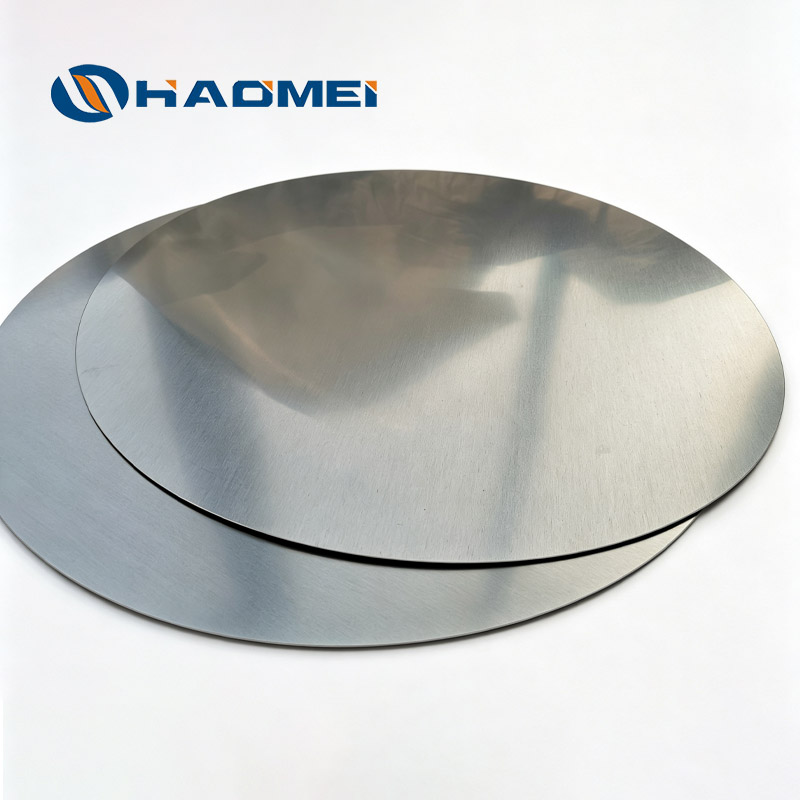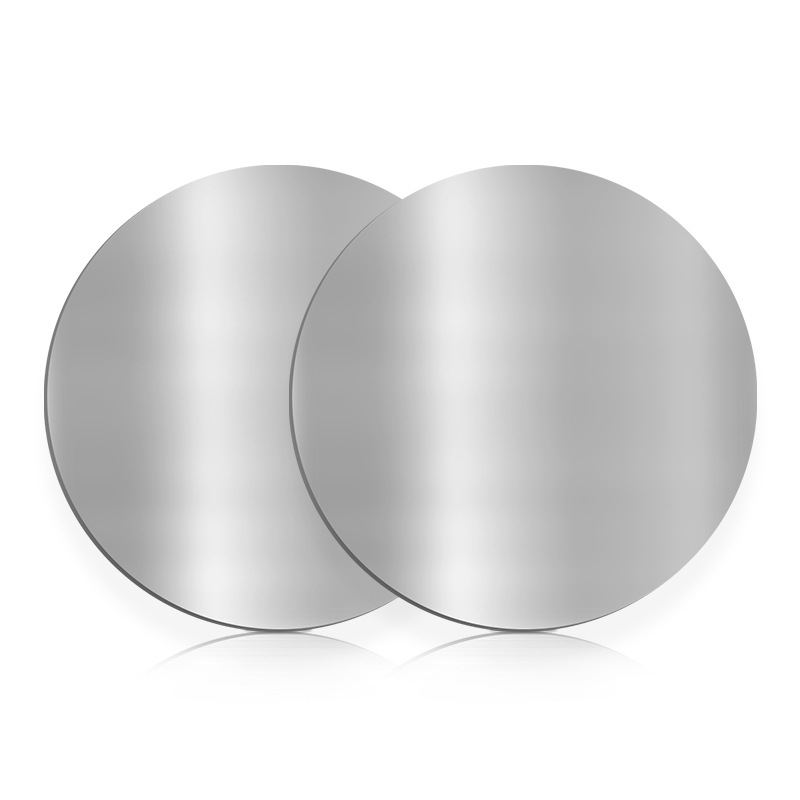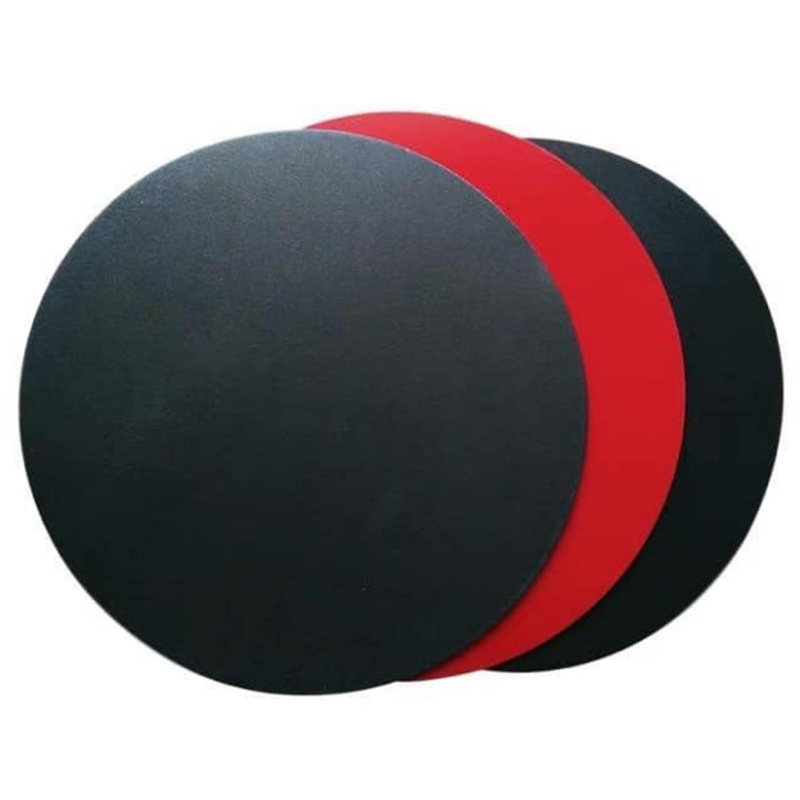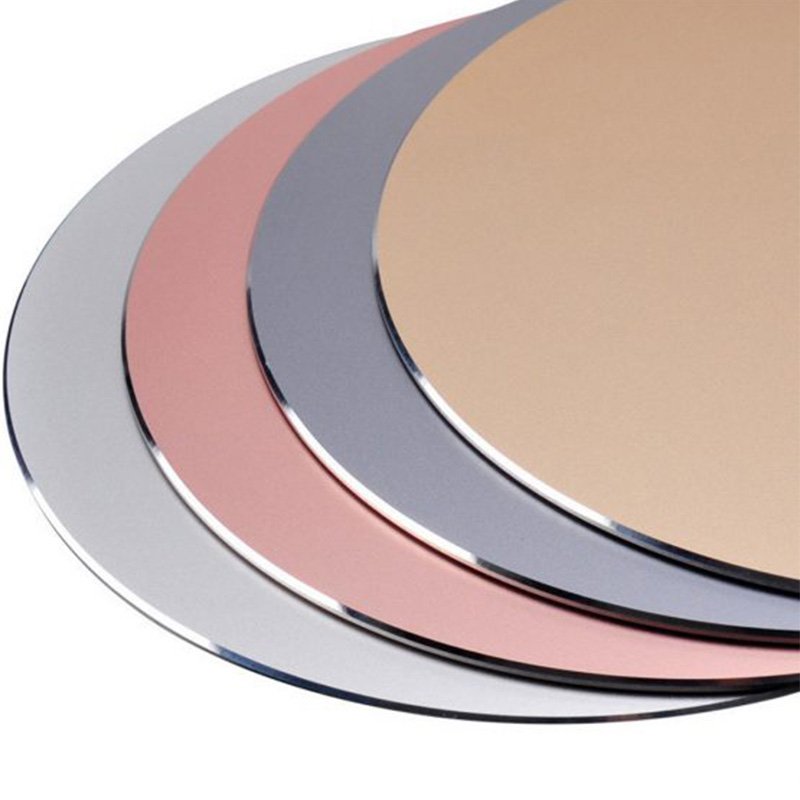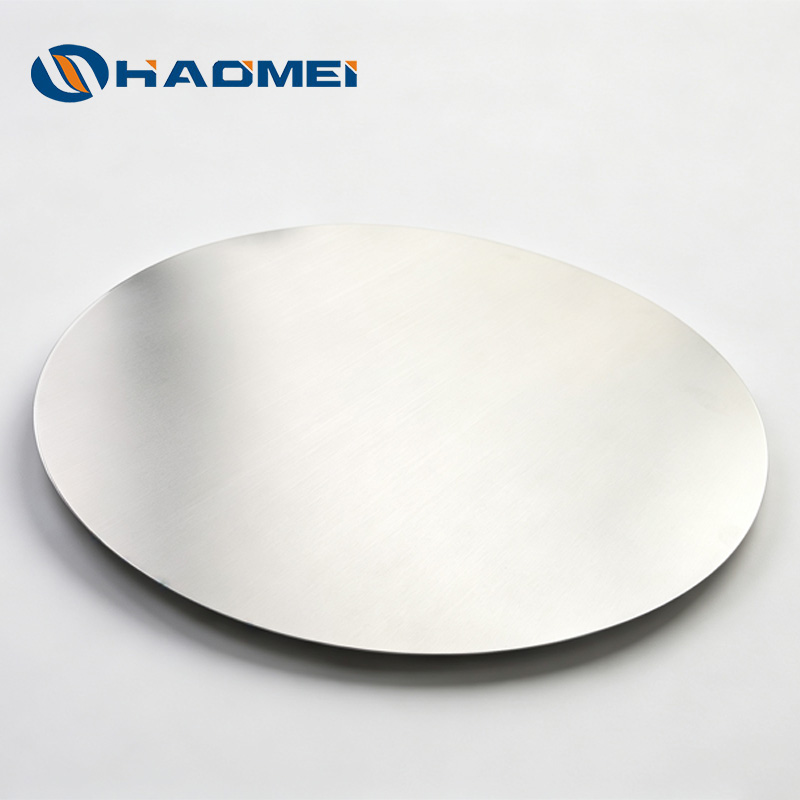


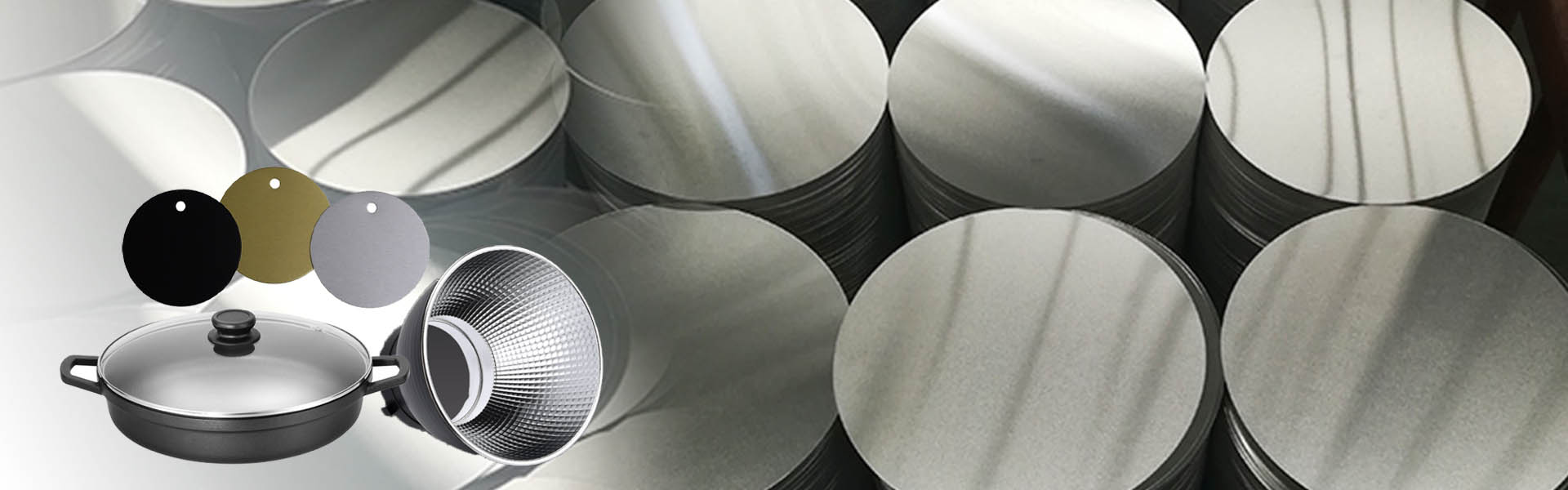
Driven by Ghana's accelerating urbanization, rising household consumption, and the growth of local light industry, aluminum circles—a key type of deep-processed aluminum product—are playing an increasingly vital role in sectors such as cookware manufacturing, lighting equipment, consumer goods processing, traffic signage, and industrial components.
Among the aluminum circles exported to Ghana, 1060-O and 3003-O aluminum circles are two of the most sought-after materials on the market. Each offers distinct advantages in terms of performance, application, and cost, catering to the diverse needs of manufacturing enterprises.
1. Key Raw Material for Ghana's Cookware Industry
One of the most common applications for aluminum circles in Ghana is the production of various aluminum cookware items, such as pots, pans, skillets, stockpots, steamers, basins, bowls, plates, and traditional cooking vessels. Thanks to aluminum's excellent thermal conductivity, cookware made from this material heats up quickly and evenly, making it ideal for home kitchens, restaurants, school cafeterias, and outdoor cooking.
1060-O aluminum circles, characterized by high purity, excellent elongation, and superior formability, are particularly well-suited for deep drawing, spinning, and stamping processes. When manufacturing deep-bodied pots, round-bottomed vessels, or complex kitchenware shapes, 1060-O circles help minimize the risk of cracking and improve production yields. They also offer excellent surface finishing characteristics, allowing for subsequent processes such as polishing, embossing, coating, or anodizing.
In contrast, 3003-O aluminum circles contain manganese, which generally provides higher strength than the 1060 grade while maintaining good workability. This makes 3003-O circles advantageous for applications requiring greater durability, such as pot bases, heavy-gauge cookware, and large-sized vessels. Local Ghanaian cookware manufacturers can select the appropriate alloy grade based on factors such as cookware thickness, forming depth, and target retail price.
2. Production of Lighting Fixtures and Lamp Shades
The development of residential housing, commercial spaces, hotels, schools, and public infrastructure in Ghana has driven demand for lighting products. Aluminum discs can be used to manufacture lampshades, reflectors, LED light housings, pendant light accessories, and industrial lighting components.
Aluminum possesses excellent reflective and heat-dissipation properties, making it particularly suitable for lighting reflectors. Treatments such as polishing, anodizing, or coating can enhance the appearance of the fixture and improve light reflection. 1060-O aluminum discs, being soft and highly ductile, are ideal for spin-forming into lampshades with various curvatures and depths; meanwhile, 3003-O aluminum discs are better suited for light housings or engineering lighting products that require greater strength and resistance to deformation.
3. Processing of Household Hardware and Goods
In addition to kitchenware, aluminum discs can be used to produce trays, lids, containers, decorative platters, washbasin accessories, household hardware, and certain types of packaging containers. In the Ghanaian market, there is strong consumer demand for lightweight, corrosion-resistant, and reasonably priced aluminum household products.
Aluminum is less prone to rusting than ordinary steel, particularly in hot and humid climates. For household items subject to prolonged use or exposure to moisture, aluminum discs enhance product durability. Household goods made from 3003-O aluminum discs generally offer superior hardness and deformation resistance, whereas products made from 1060-O aluminum discs are easier to process via stamping, flanging, and deep drawing.
4. Traffic Signs and Reflective Products
In road construction, urban management, and public safety infrastructure, aluminum discs are used to manufacture circular traffic sign blanks, reflective signage, warning signs, and stop signs. Aluminum is lightweight—facilitating transport and installation—and offers good weather resistance, making it suitable for outdoor use.
As some regions in Ghana experience intense sunlight and high humidity during the rainy season, materials for traffic signs require excellent corrosion resistance. Once treated with surface degreasing, spraying, or the application of reflective sheeting, aluminum discs can be used to create durable road safety signs. For signage requiring higher strength, 3003 aluminum discs generally offer greater advantages; for small, standard-sized circular signs, 1060 aluminum discs provide a more cost-effective solution.
5. Components for Agricultural and Small-Scale Industrial Equipment
Sectors such as agriculture, food processing, and small-scale machinery manufacturing in Ghana also offer opportunities for the use of aluminum discs. For instance, these discs can be further processed into equipment end caps, fan components, screen frames, container lids, machinery guards, and simple instrument housings. Aluminum is easy to cut, drill, stamp, and spin-form, making it well-suited for secondary manufacturing by small and medium-sized enterprises.
When it comes to equipment components, the material must be easy to process while also possessing adequate strength. 3003-O aluminum discs are suitable for such applications, particularly for parts that must withstand pressure or repeated use. In contrast, 1060-O aluminum discs are better suited for lightweight components where strength requirements are lower but formability is a priority.
Original source: https://www.aluminum-circle.com/a/what-are-the-uses-of-aluminum-circles-in-ghana.html
Prev: Which Aluminum Alloy Is Best for Automotive Aluminum Circles: 1050, 1060, 1100, 3003, 5052, or 6061