

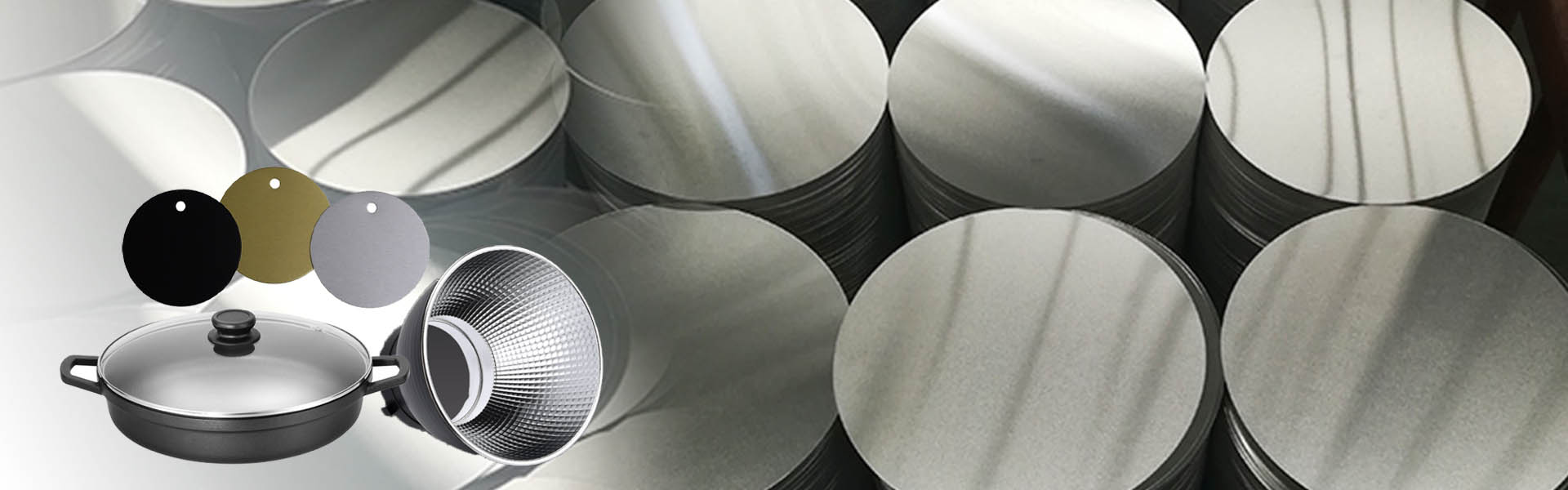
Aluminum circles are the core raw materials for manufacturing various cookware, including pots, pans, woks, and pressure cookers. Their surface processing methods directly determine the performance, durability, and market competitiveness of finished kitchenware.
Among the most widely used types in the cookware industry are mill finish aluminum circle and color-coated aluminum circle. Many manufacturers and buyers struggle to choose between the two, as each boasts unique strengths and applicable scenarios. This article conducts a comprehensive comparison of these two aluminum disc types from multiple dimensions to clarify their suitability for cookware production.
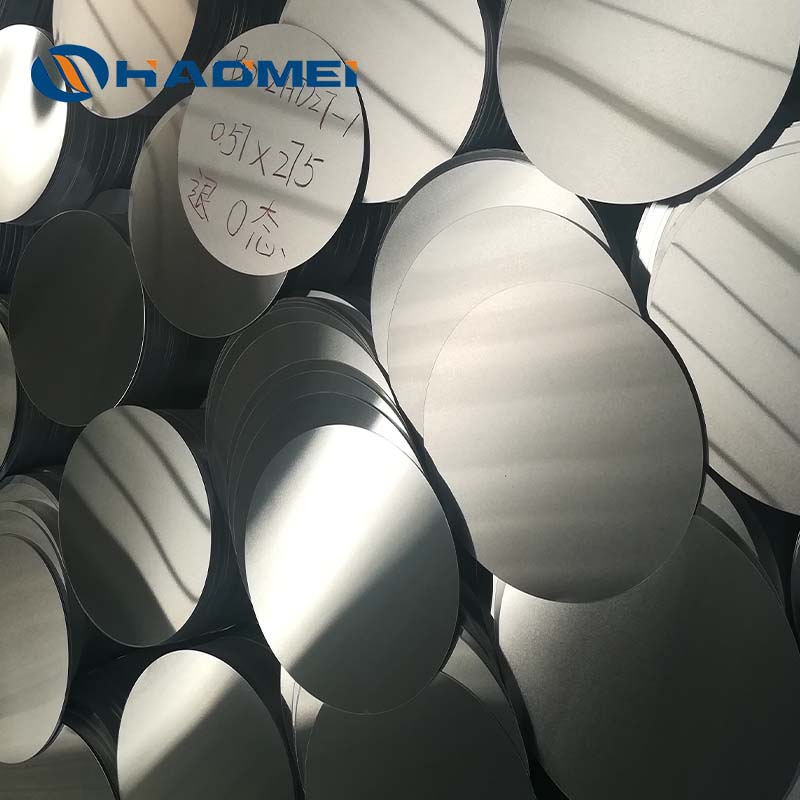
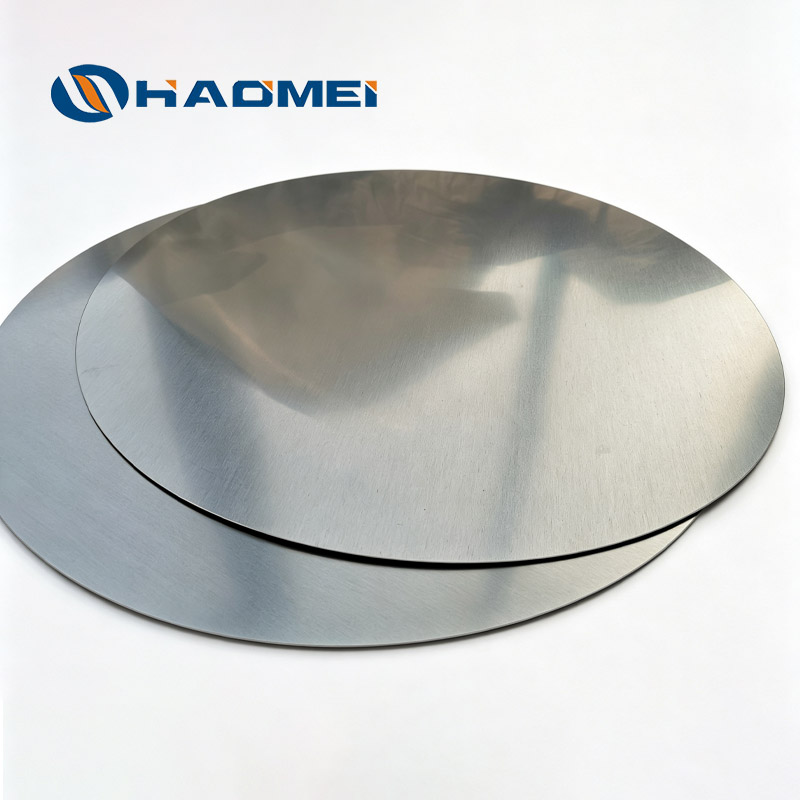
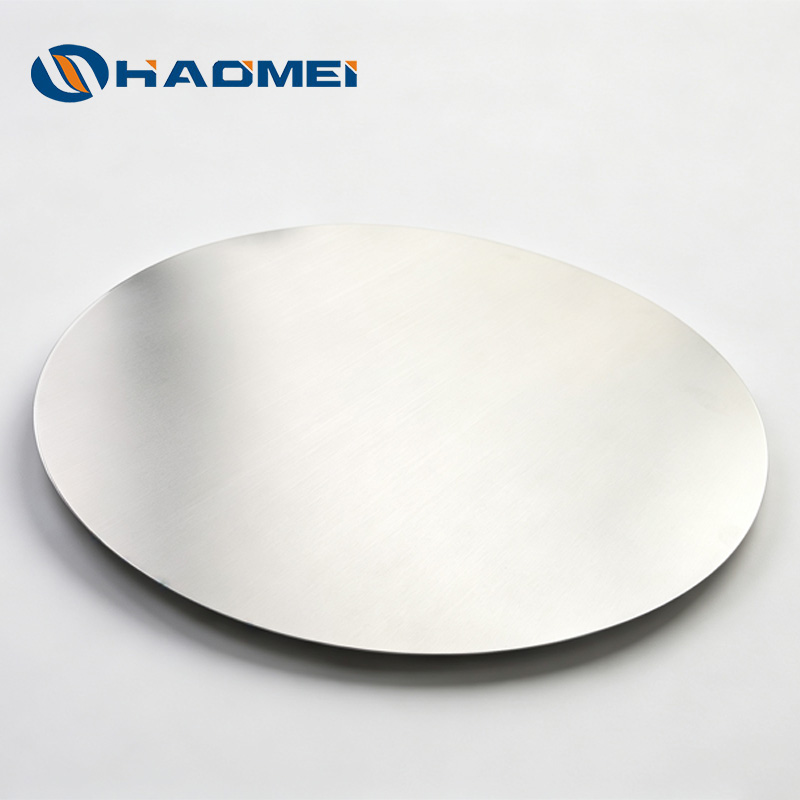
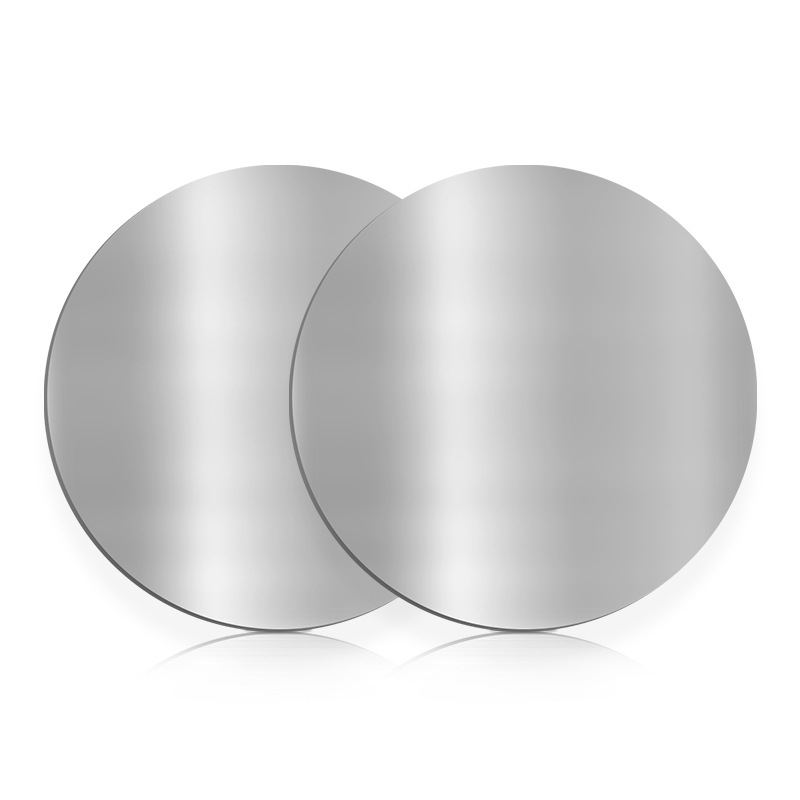
To begin with, mill finish aluminum circle refers to raw aluminum discs with a natural surface formed directly by rolling and annealing without any secondary coating or decorative treatment. Retaining the original metallic luster and smooth, uniform texture of aluminum, these uncoated aluminum circles feature excellent ductility and formability.
They can withstand deep drawing, spinning, and stamping processes without cracking or deforming, which is essential for shaping diverse cookware structures. Made from standard aluminum alloys like 1050, 1060, and 3003, they maintain stable physical properties during high-temperature processing, fully meeting the basic molding requirements of daily kitchenware.
In terms of practical performance for cooking scenarios, the plain aluminum circles excel in heat conductivity and high-temperature resistance. The pure aluminum surface without coating barriers enables faster and more uniform heat transfer, ensuring even heating of cookware and avoiding local overheating during cooking. This advantage makes them ideal for making high-efficiency frying pans and soup pots.
Meanwhile, their bare aluminum surface allows for flexible secondary processing. Manufacturers can perform anodizing, non-stick coating, or polishing on the finished cookware according to market demands, offering highly flexible production solutions. However, the natural aluminum surface is prone to oxidation and scratches, requiring additional surface protection to extend service life.
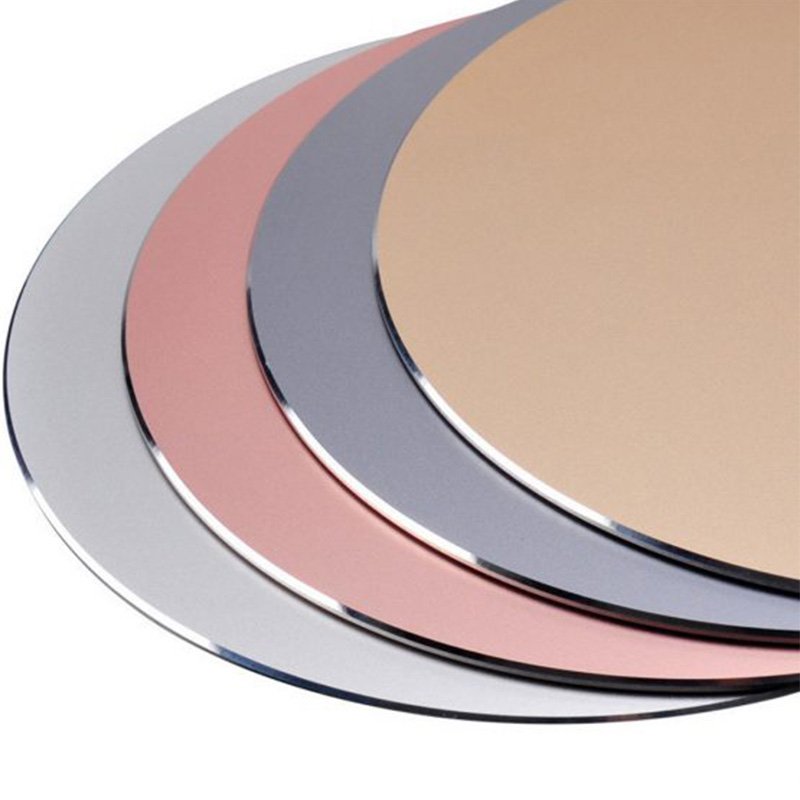
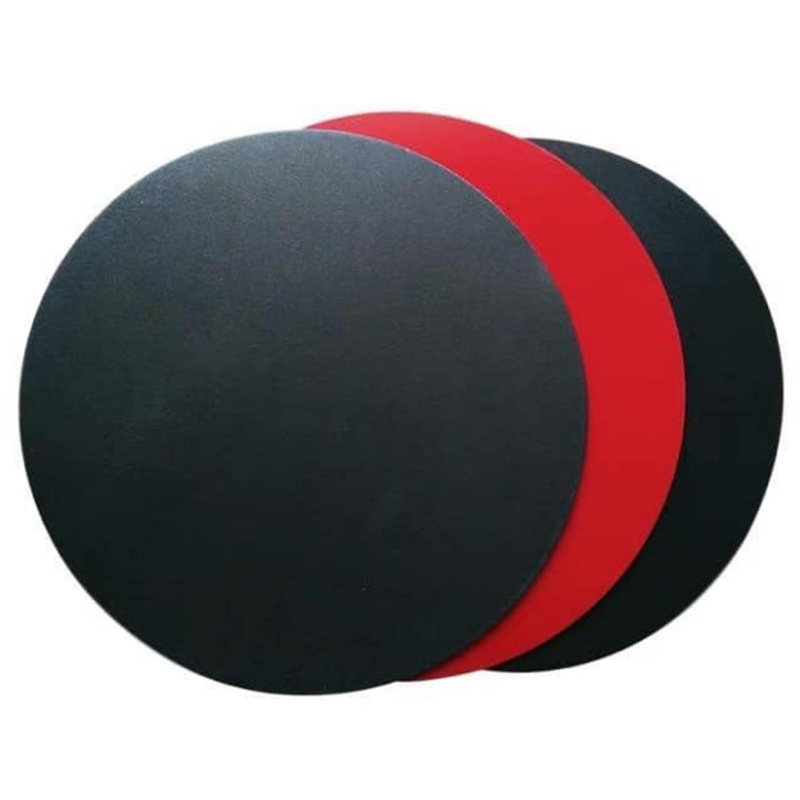
In contrast, color-coated aluminum circle is a pre-treated aluminum disc with a uniform organic coating layer applied on its surface through professional coating technology. These pre-painted aluminum circles integrate decoration and protection in one, eliminating the need for secondary surface processing after cookware molding. The coating layer comes in diverse colors and textures, enabling cookware to present rich and fashionable appearances that cater to modern consumers’ aesthetic demands for kitchen decoration.
The most prominent advantage of coated aluminum circles lies in their superior surface protection performance. The dense color coating effectively isolates aluminum from air, water vapor, and acidic or alkaline food residues, greatly enhancing corrosion resistance, oxidation resistance, and stain resistance.
Cookware made from these color-coated aluminum discs is not easy to rust, fade, or stain, and it is simpler to clean and maintain in daily use. Additionally, the surface coating improves the wear resistance of cookware, reducing scratches caused by daily friction and prolonging the overall service life of kitchenware products.
When it comes to production cost and application scenarios, the two materials show obvious differentiation. Uncoated mill finish aluminum discs have simpler production processes and lower raw material costs, making them suitable for mass production of economical, practical civilian cookware. They are also the preferred choice for manufacturers focused on customized surface post-processing.
On the other hand, pre-colored coated aluminum circles have higher upfront material costs due to additional coating procedures. They are more suitable for mid-to-high-end decorative cookware, gift kitchenware, and household products with high appearance requirements, as they can directly create exquisite finished products with stable color and no secondary processing loss.
In conclusion, neither mill finish aluminum circle nor color-coated aluminum circle is absolutely superior. For manufacturers prioritizing low cost, flexible post-processing, and excellent thermal conductivity, natural rolled aluminum discs are the optimal option. For products pursuing high durability, beautiful appearance, and low maintenance costs, color-coated aluminum discs deliver greater value. Reasonable selection based on product positioning and market demand is the key to maximizing the performance advantages of aluminum cookware.
Original source: https://www.aluminum-circle.com/a/mill-finish-aluminum-circle-vs-color-coated-aluminum-circle-which-is-better-for-cookware.html
Prev: Aluminium Circle for Cookware