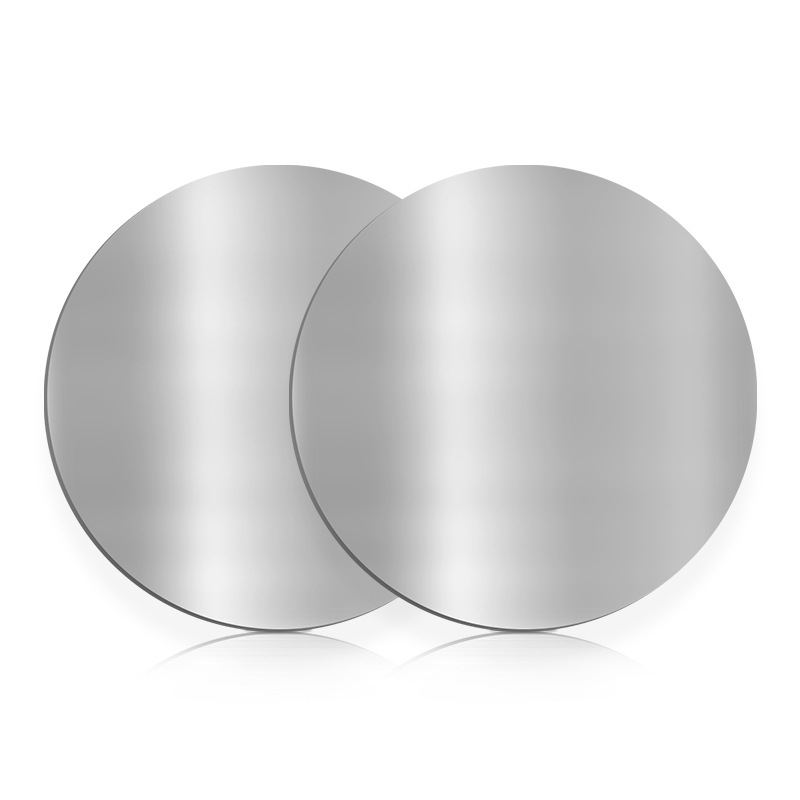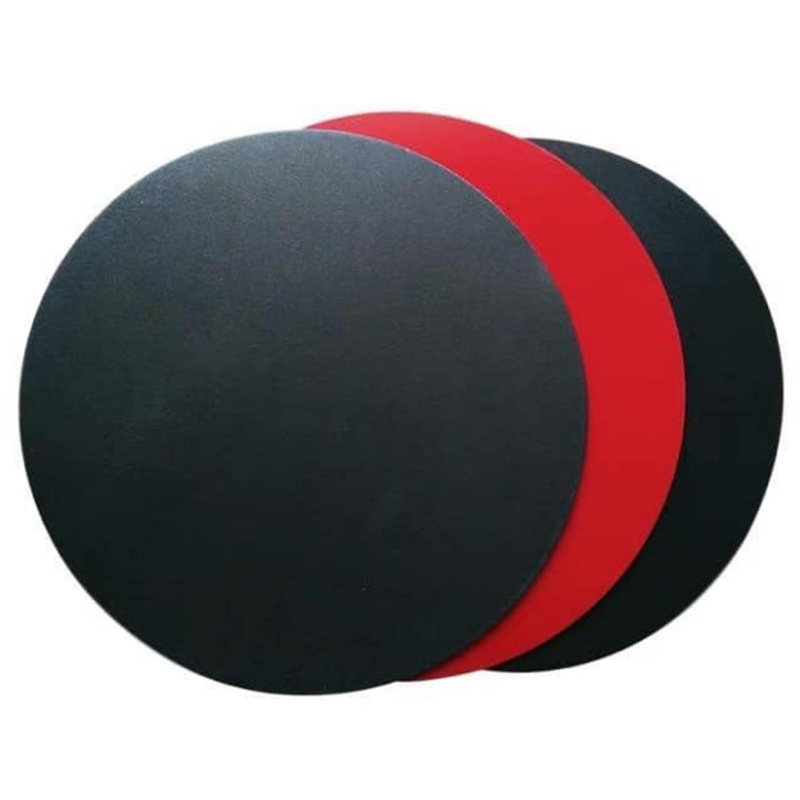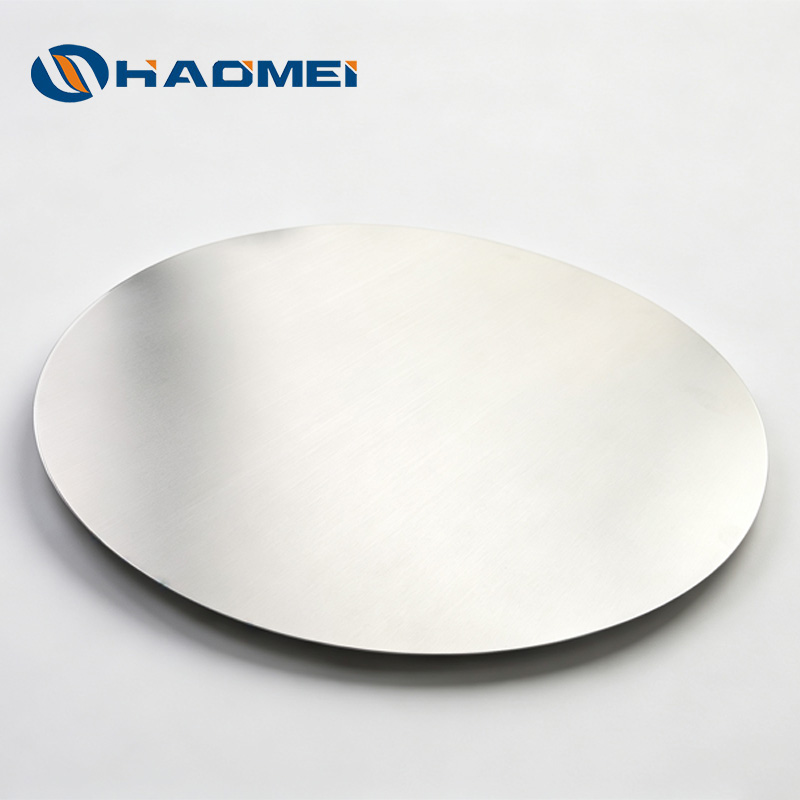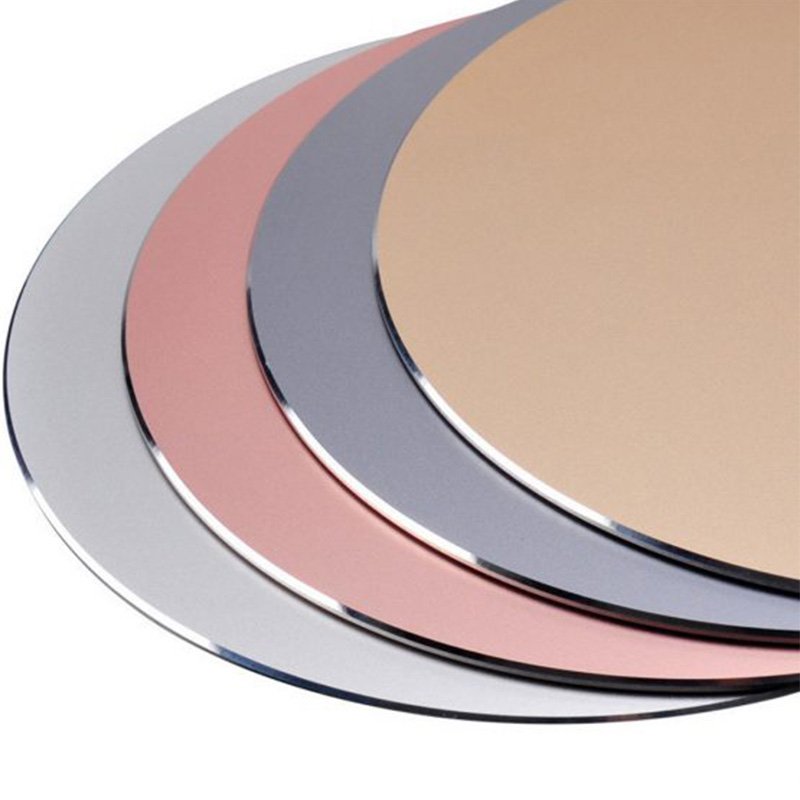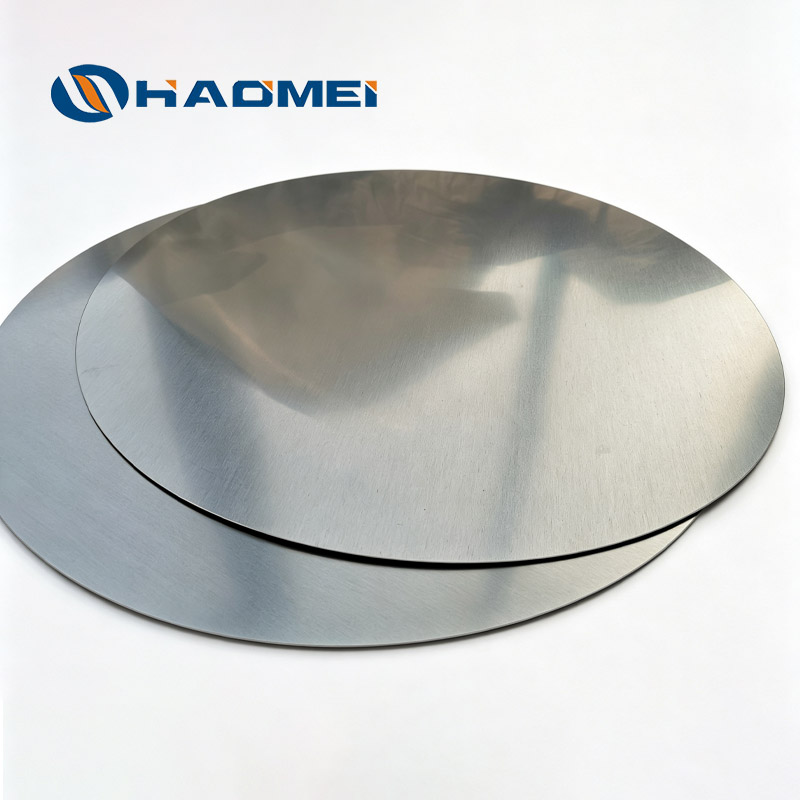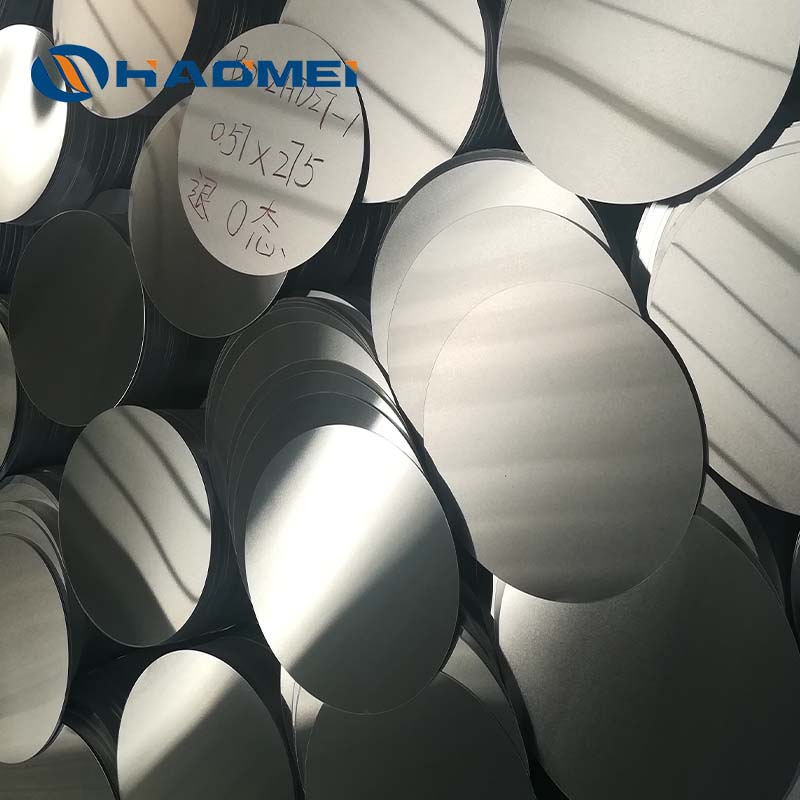


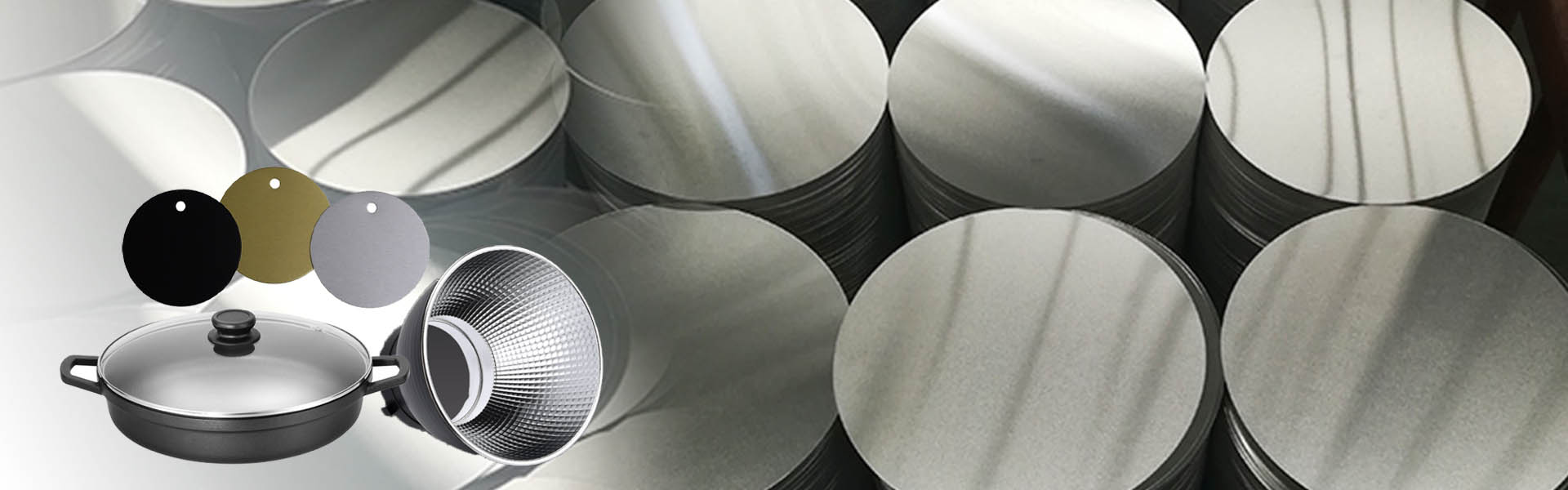
Road traffic signs are core visual components of traffic safety systems, exposed for long periods to complex outdoor environments characterized by sunlight, rain, wind, sand, and fluctuating temperatures. As the primary substrate for these signs, the stability, formability, and weather resistance of aluminum discs directly determine the signs' service life and performance.
I. Key Technical Requirements for Aluminum Disc Blanks
Traffic signs are outdoor safety installations where safety, durability, and forming precision are the three critical metrics. Aluminum disc blanks must meet specific performance standards to ensure long-term, reliable use.
1. Excellent Weather and Corrosion Resistance
Outdoor signs are constantly exposed to UV radiation, rain, and acidic or alkaline mists, with corrosion issues being particularly acute in coastal and industrial areas. Consequently, the traffic aluminum disc circle must be made of high-purity material with low impurity content to fundamentally prevent surface oxidation, peeling, and rust spots. The substrate surface must be uniform and dense—free from pinholes, porosity, or color variations—to enhance the adhesion of processes such as printing, reflective sheeting application, and baking enamel, thereby ensuring the sign does not delaminate or fade over time.
2. Good Plastic Formability
Traffic sign production involves multiple forming processes—such as stamping, edge rolling, bending, and deep drawing—with irregularly shaped or curved signs requiring further complex processing. This necessitates aluminum discs with moderate hardness and good plasticity, ensuring they can be shaped precisely against the mold without cracking, edge curling, deformation, or excessive spring-back. This guarantees smooth edges, uniform curvature, and high dimensional accuracy in the finished product.
3. Stable Thickness and Dimensional Precision
Traffic signs demand strict surface flatness; thickness deviations in the aluminum discs must be tightly controlled to ensure uniformity and eliminate issues like waviness or uneven deformation. Furthermore, precise diameter and roundness, combined with burr-free and notch-free edges, ensure consistency in mass production. These qualities also prevent uneven stress distribution or deformation caused by wind and rain after installation, thereby enhancing overall structural stability.
4. Balancing Lightweight Design and Structural Strength
Aluminum discs for traffic signs must balance lightweight properties with structural rigidity; if the material is too soft, the sign is prone to denting and deformation, whereas if it is too hard, processing becomes difficult and the material is prone to breakage. Designed for outdoor suspension or post-mounted applications, the base material must offer excellent wind-load and impact resistance to meet the requirements of various sign sizes and installation methods.
II. Mainstream Aluminum Alloys for Traffic Sign Discs
1. 1000-Series Pure Aluminum Alloys (1050, 1060, 1100)
1000-series alloys consist of high-purity industrial aluminum (over 99.5% aluminum content with minimal impurities) and serve as the standard, mainstream choice for traffic sign discs. These materials offer excellent plasticity—making them easy to stretch and bend—along with a high-quality surface finish, good corrosion resistance, and outstanding cost-effectiveness. After softening treatment, they offer high processing tolerance, making them suitable for standard speed limit, warning, and regulatory signs, as well as processes like simple bending and shallow drawing; they are the preferred material for municipal and rural road signage. Specifically, 1100-H14 aluminum discs offer a balance of formability and stability, making them suitable for the vast majority of standard sign production scenarios.
2. 3000-Series Aluminum-Manganese Alloys (3003)
3003 aluminum-manganese alloy incorporates manganese into pure aluminum. Compared to 1000-series alloys, it offers significantly higher structural strength, dent resistance, and wind-load resistance, as well as superior toughness, while retaining excellent formability and corrosion resistance. With moderate hardness and resistance to deformation, this material is ideal for large signs and demanding environments—such as highways, elevated roads, and coastal scenic areas—as well as signs requiring welded reinforcement. It addresses the limitations of pure aluminum (namely insufficient strength and susceptibility to deformation), making it the preferred choice for high-end outdoor traffic signage.
III. Aluminum Disc Softening Process
There is a common misconception in the industry that harder aluminum discs equate to better quality. However, aluminum discs intended for traffic signs must undergo annealing (softening) treatment. Hard-temper aluminum lacks plasticity; it is prone to cracking and rejection during processing, which is a primary cause of production waste.
1. Principles of the Core Softening Process
Softening is primarily achieved through a high-temperature annealing process. Formed aluminum discs are fed into an annealing furnace, where a closed-loop process—involving precise temperature control, a constant-temperature holding phase, and slow cooling—eliminates internal processing stresses, refines the grain structure, reduces base material hardness, and enhances plasticity and toughness, thereby making the aluminum suitable for various forming operations.
2. Common Softening Tempers and Suitable Processes
The "O" temper represents the fully soft state; it offers optimal plasticity, enabling deep drawing and the fabrication of complex, irregularly shaped signs without cracking or springback, making it ideal for high-precision, non-standard signage. The H12/H14 semi-soft tempers strike a balance between hardness and softness, offering a combination of formability and rigidity; they are the industry standard, suitable for over 90% of conventional circular signs. The H24 medium-hard temper offers higher hardness and greater strength, making it suitable for large-scale signage exposed to high wind loads.
3. Key Standards for the Softening Process
Proper softening treatment ensures uniform hardness across the entire sheet, with no hardness variations within a batch. The sheet surface must be free from defects such as blackening, oxidation, water stains, or deformation, ensuring no adverse impact on subsequent coating or lamination processes, while completely preventing issues like processing cracks or finished-product warping.
IV. Standard Specifications for Traffic Sign Aluminum Discs
The domestic traffic signage industry has established a standardized specification system for aluminum discs that fully meets the production needs for conventional signage and offers strong suitability for mass production.
Mainstream thickness specifications include 0.5mm, 0.8mm, 1.0mm, 1.2mm, and 1.5mm. Thicknesses of 1.0mm and 1.2mm are commonly used for municipal roads, while larger signs for expressways often utilize thicker specifications (1.5mm–2.0mm) to enhance wind resistance and stability.
Standard diameters range from 300mm to 1200mm, including national standard sizes such as 300mm, 400mm, 600mm, 800mm, and 1000mm. 20 aluminum disc(508mm) is a popular choice.These accommodate various circular signs—including speed limit, prohibition, mandatory instruction, and warning signs—and custom sizes are also available.
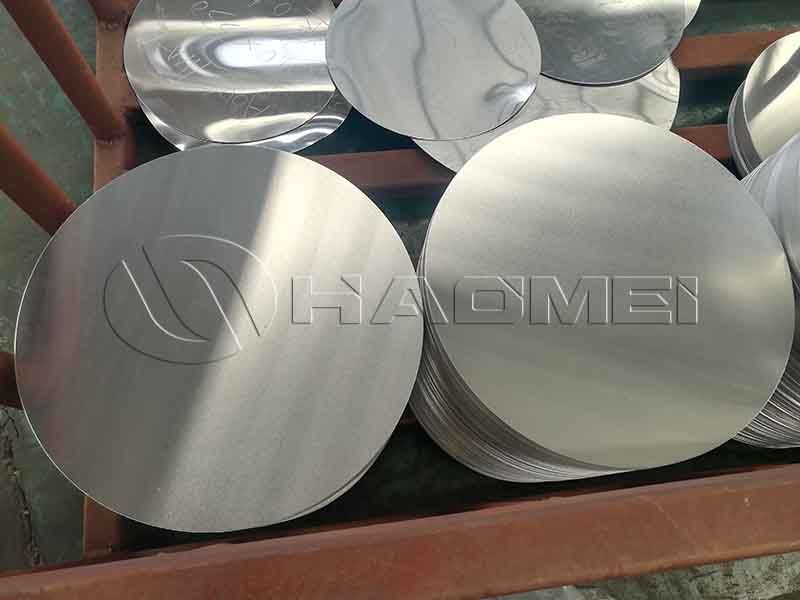
In terms of appearance, the sheet features a precision-rolled matte finish that is smooth and free from scratches, oil stains, or oxidation spots; the edges are precision-cut and devoid of burrs or nicks, ensuring both safety during processing and an aesthetically pleasing finished product.
Original source: https://www.aluminum-circle.com/a/aluminum-circle-for-traffic-sign-blanks.html
Next: O Temper Aluminum Circle for Deep Drawing Lamp Shades
Prev: Aluminum Circle Disc Market Trends