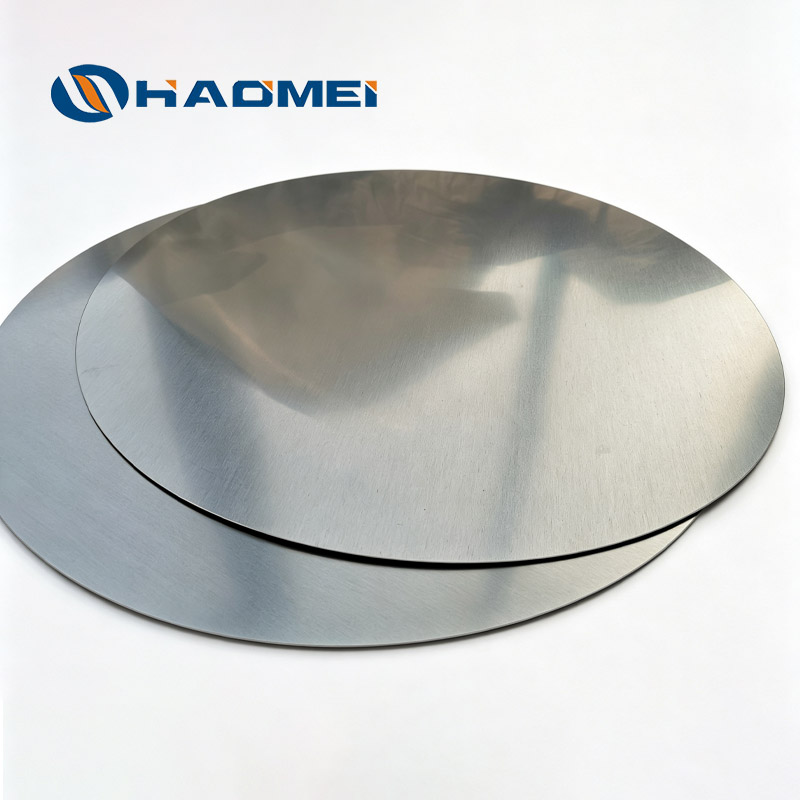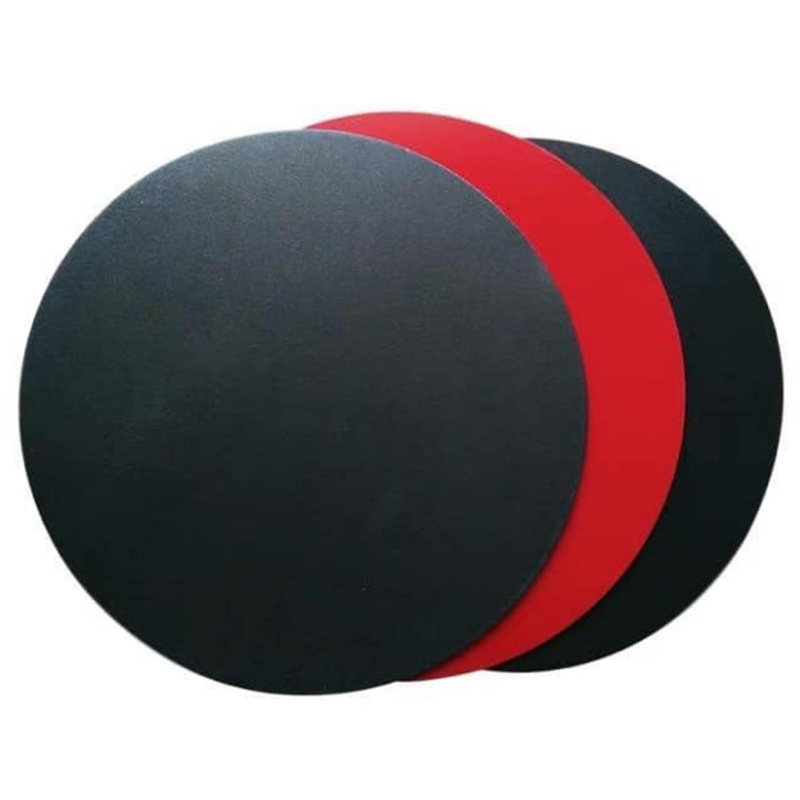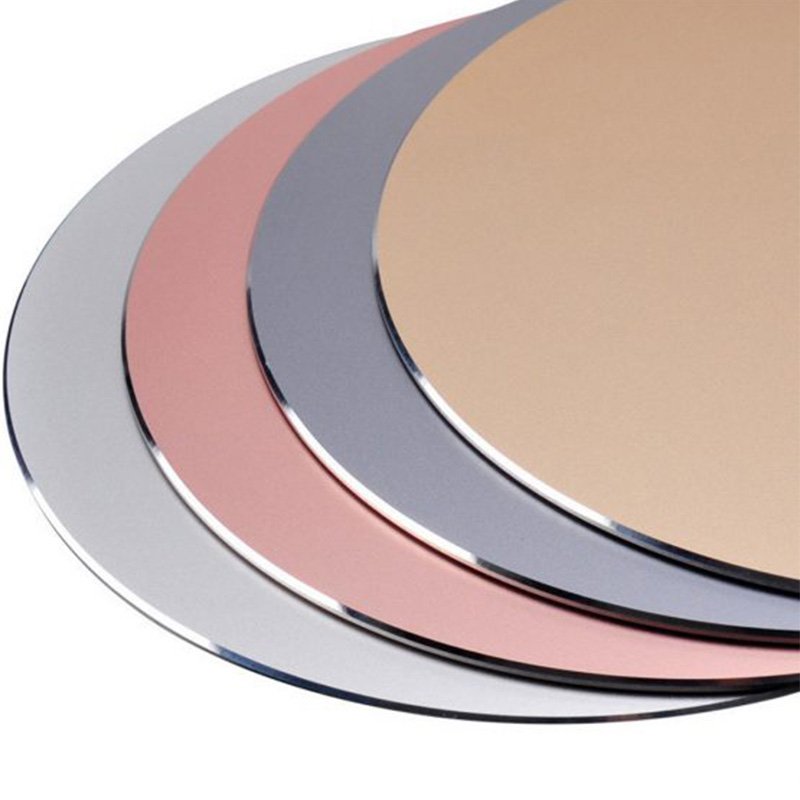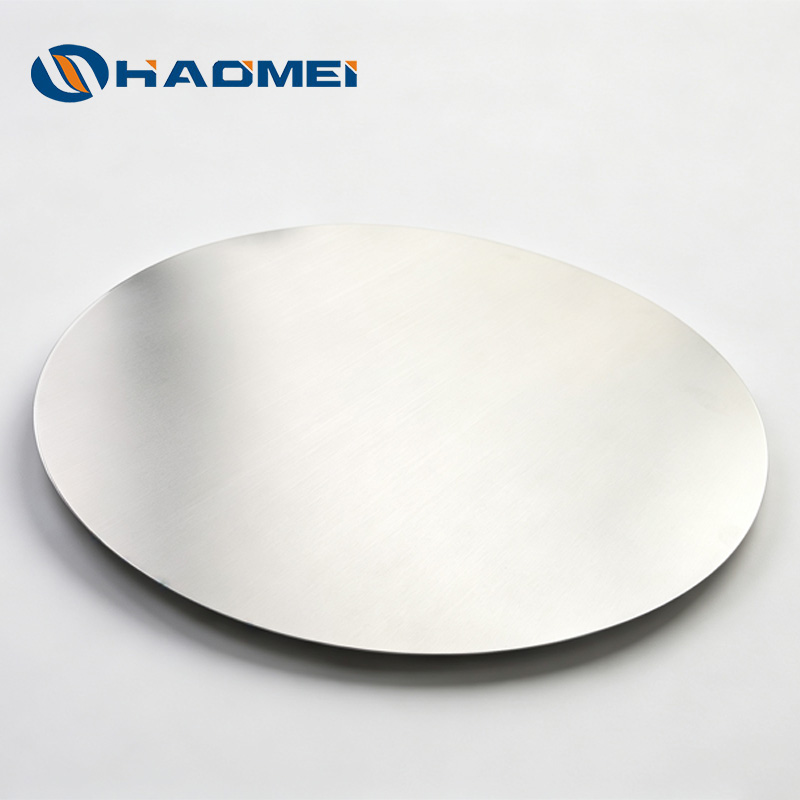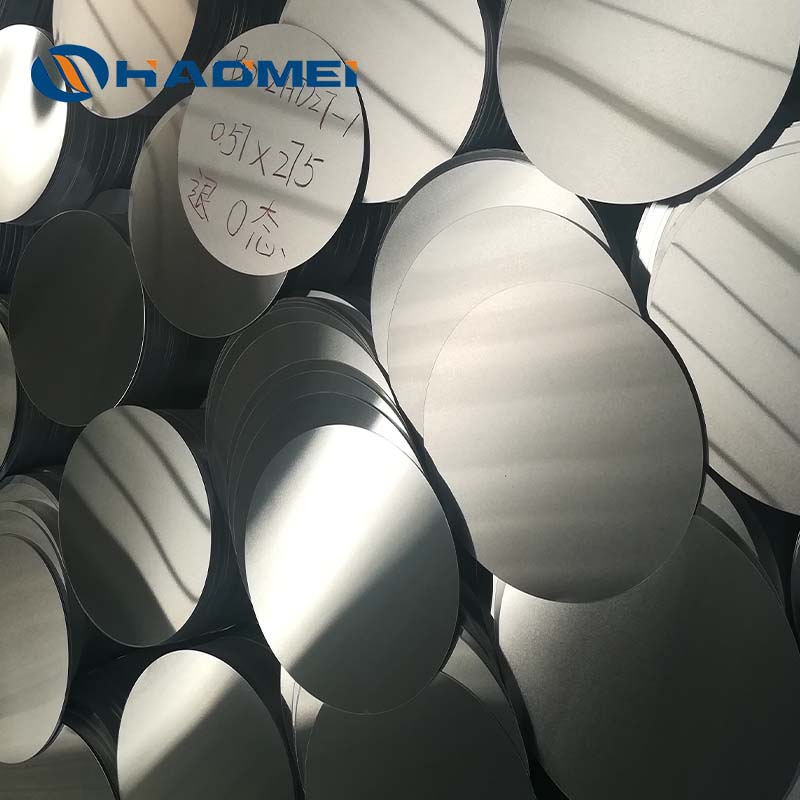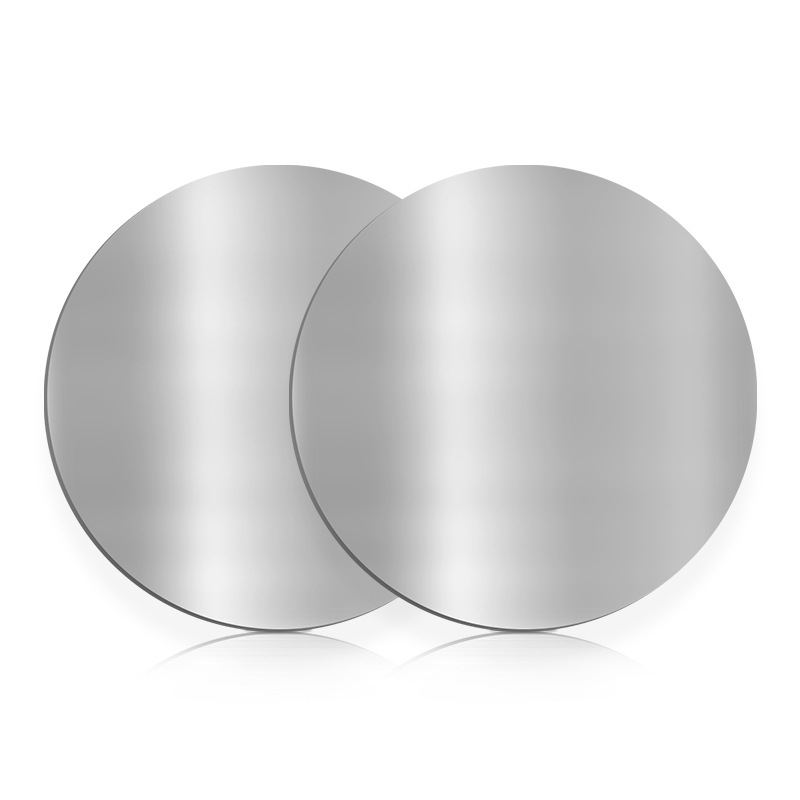


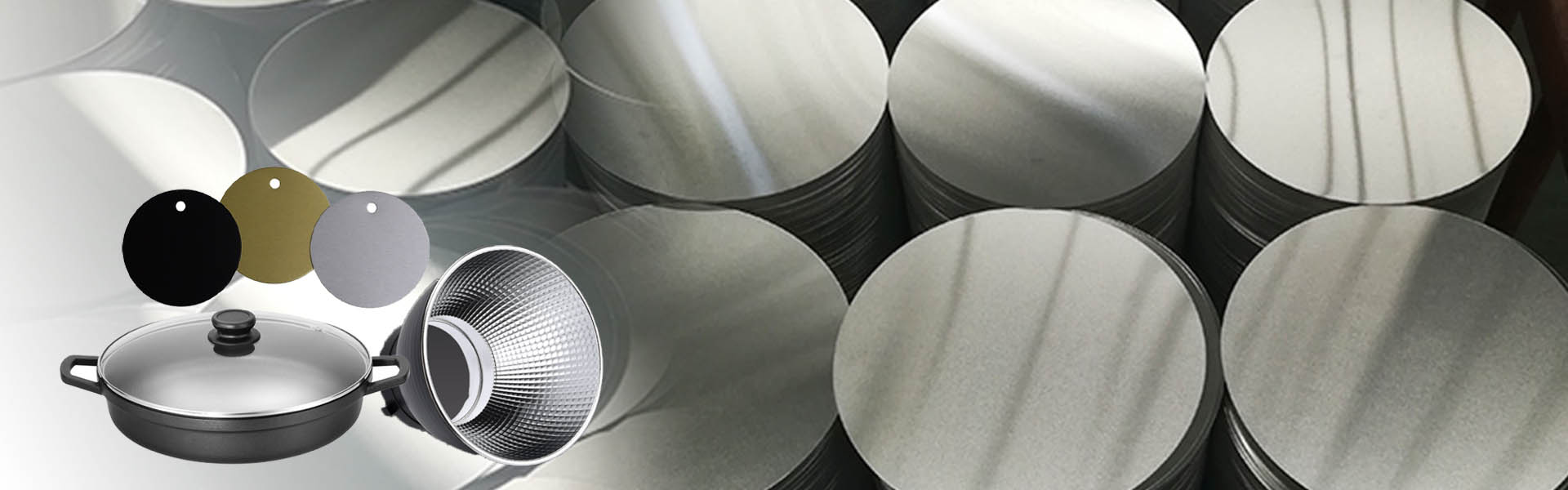
Aluminum circle discs, also called aluminum blanks, are flat circular aluminum pieces produced by rolling and stamping. Thanks to good ductility, thermal conductivity, corrosion‑resistance and light weight, they are essential raw materials for downstream manufacturing.
In the global metal processing market, demand for aluminum circle discs is mainly driven by three fast-growing sectors: cookware, lighting and automotive industries. Driven by manufacturing lightweight, environmental policies and industrial product upgrades, this market is experiencing structural adjustment together with steady demand growth.
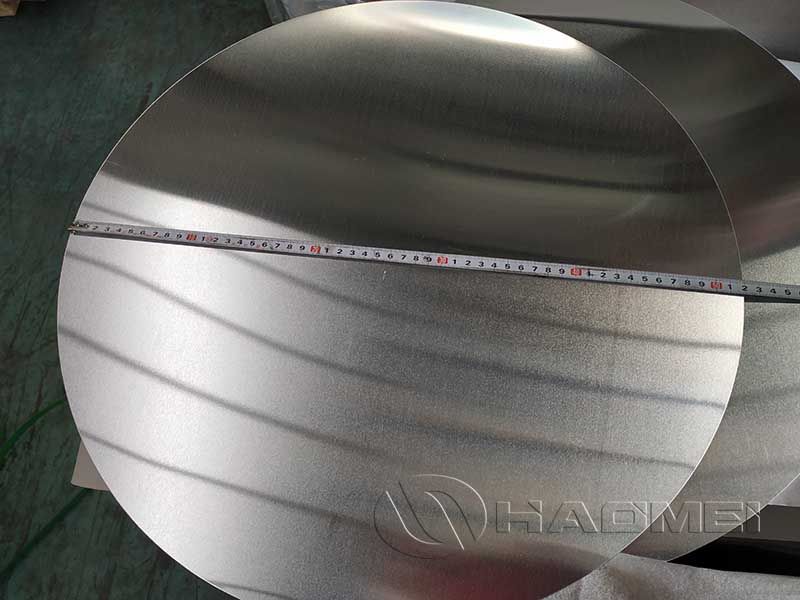
1. Overall Overview of the Global Aluminum Circle Disc Market
The global aluminum circle disc market keeps stable growth. Asia-Pacific takes over 40% of total global demand, supported by complete supply chains and cost advantages. By downstream consumption, cookware remains the largest end‑use market, followed by fast‑expanding lighting and automotive sectors.
Facing global aluminum capacity shifts and mid-market oversupply, the industry is moving away from simple capacity expansion toward high quality, customized and ECO-friendly product upgrades. Low‑precision standard circles suffer overcapacity, while high‑performance grades for lighting reflectors and automotive lightweight remain in short supply, pushing continuous product‑mix optimization across the sector.
2. Demand Trends and Application Characteristics by Core Industry
2.1 Cookware Industry
Cookware is the most mature and biggest downstream market for aluminum circle discs, supplying frying pans, soup pots, baking trays and pot lids. The aluminum disc for cookware mostly use 1050, 1060 and 3003 alloys. They deliver excellent deep‑draw performance, even thickness and non-toxic properties to meet stamping, bending and anodizing requirements for kitchenware.
Traditional low-end cookware market growth has saturated, whereas mid‑to‑high‑end segments fuel demand upgrades. Buyers now attach higher importance to food safety, durability and appearance, forcing manufacturers to lift procurement standards. High flatness consistency, uniform oxide layers and food‑safe surface finishing have become mandatory for mainstream orders. Rising household consumption worldwide and booming cross‑border e‑commerce for home goods further lift export volumes for cookware‑grade aluminum circles.
2.2 Lighting Industry
Lighting ranks among the fastest-growing end-uses, accounting for around 15.1 % of global market share valued at nearly USD 1.9 billion. Aluminum circle discs serve as key reflector components widely applied in LED downlights, street lamps, solar reflectors, horticultural grow lights and commercial lighting fixtures.
Compared with cookware grades, lighting-spec circles demand superior surface reflectivity, flatness and oxidation resistance. After mirror polishing and bright anodizing, reflectivity hits 92%‑95%, delivering performance close to silver mirrors at lower cost with better durability.
Global LED replacement of conventional lighting greatly broadens reflector application scope. Emerging segments including smart lighting, agricultural grow‑lights and solar lighting create more orders for high‑reflectivity customized aluminum circles. Worldwide energy‑saving policies phase out inefficient lamps, further releasing demand for high‑performance lighting‑grade blanks.
2.3 Automotive Industry
Automotive represents the most promising incremental market for aluminum circle discs. Lightweight transformation of fuel vehicles together with booming new energy vehicle output keeps lifting consumption of automotive grade aluminum blanks.
Automotive circles commonly adopt high strength 5052 alloy for high mechanical strength, good toughness, corrosion resistance and thermal conductivity. Typical applications include lamp reflectors, hub decorative parts, battery thermal-management heat‑dissipation components and lightweight body trims. 12 aluminum disc is also a popular size.
Popular 800V ultra‑fast charging solutions set stricter requirements for vehicle thermal management, sharply increasing demand for aluminum circle heat‑dissipation parts. Ongoing automotive lightweight trends raise per-vehicle aluminum content. Replacing steel helps cut vehicle weight, lower energy consumption and extend driving range, winning wide acceptance among OEM. The automotive segment is projected to become the fastest‑growing downstream market over the next five years.
3. Key Market Development Trends
3.1 High-Grade Products & Customized Differentiation
As low-end market saturates and downstream specifications tighten, mass homogeneous production gives way to differentiated customization. Cookware focuses on food‑grade safety and anti-corrosion performance; lighting pursues high reflectivity and ultra‑thin precision; automotive emphasizes high-strength heat dissipation and weather resistance. Scenario specific customized items will become major profit drivers.
3.2 Green Low-carbon Production Becomes Industrial Norm
Global carbon-reduction policies push aluminum processors toward green transformation. Cookware, lighting and automotive brand owners increasingly require raw‑material carbon‑footprint evaluation. Low‑energy rolling, pollution‑free surface treatment and recycled‑aluminum processing turn into core competitive strengths. Eco‑friendly products will capture larger market share.
3.3 Gradient Differentiation across Regional Markets
Asia-Pacific will retain market dominance with sound manufacturing infrastructure and large domestic consumption. The Americas will grow steadily driven by automotive recovery and infrastructure spending. Europe generates strong high‑end demand due to strict environmental and quality regulations. Such regional demand differences encourage leading manufacturers to pursue global footprint and segmented market operations.
4. Conclusion
Aluminum circle discs connect multiple high‑growth downstream industries: cookware offers stable baseline demand, lighting delivers rapid increments, and automotive unlocks huge potential. Going forward, advancing application scenarios, lightweight energy‑saving technologies and global environmental rules will end extensive‑mode expansion. High‑precision, customized, low‑carbon and high‑value‑added products will dominate the marketplace. Enterprises investing in R&D, scenario‑tailored solutions and sustainable manufacturing will secure stronger competitiveness in global competition.
Original source: https://www.aluminum-circle.com/a/aluminum-circle-disc-market-trends.html
Next: Aluminum Circle for Traffic Sign Blanks
Prev: Non-Stick Cookware Manufacturing Trends