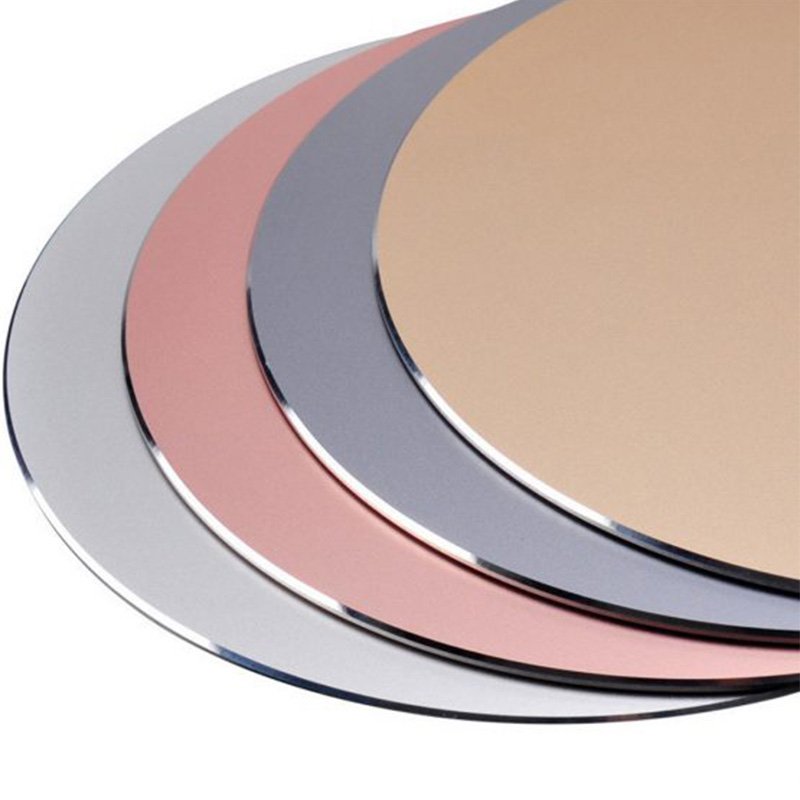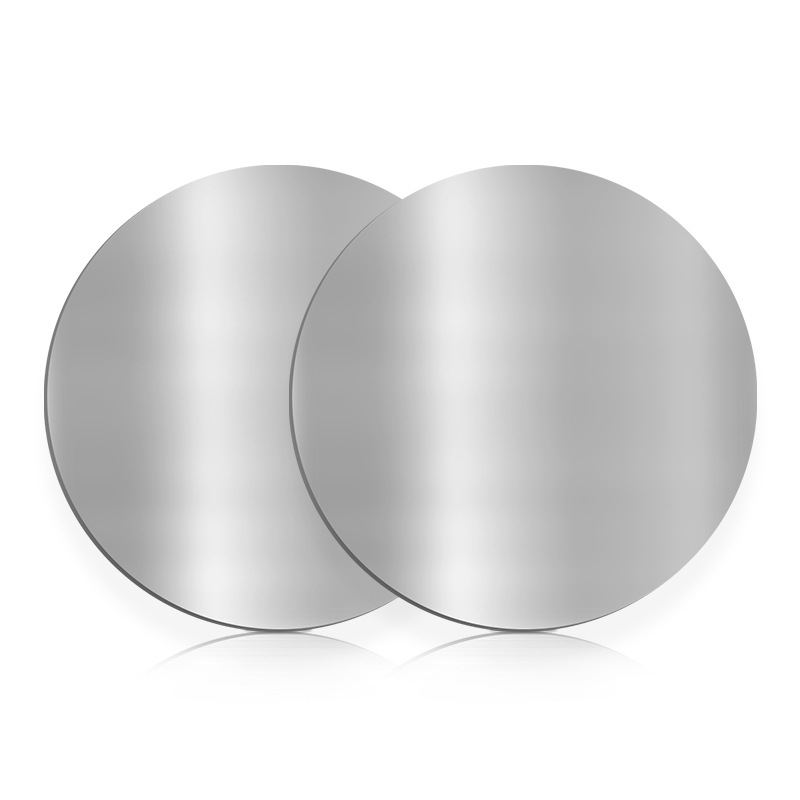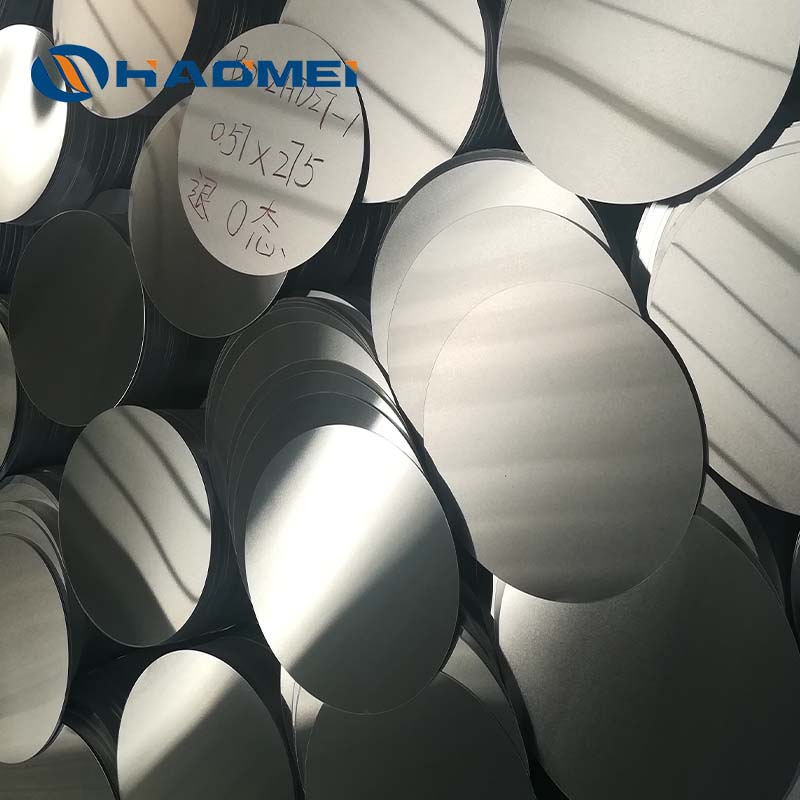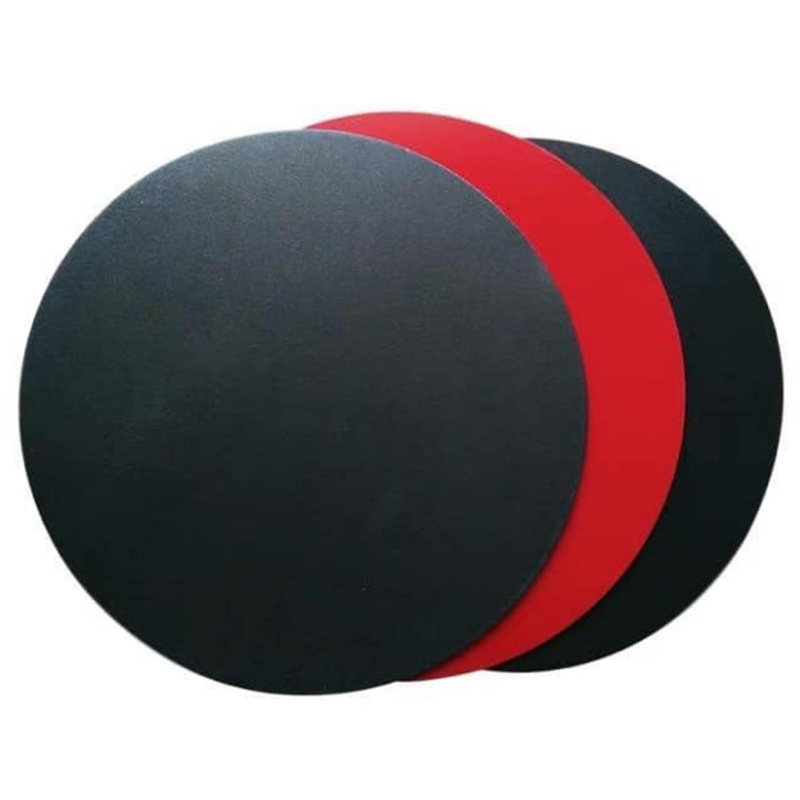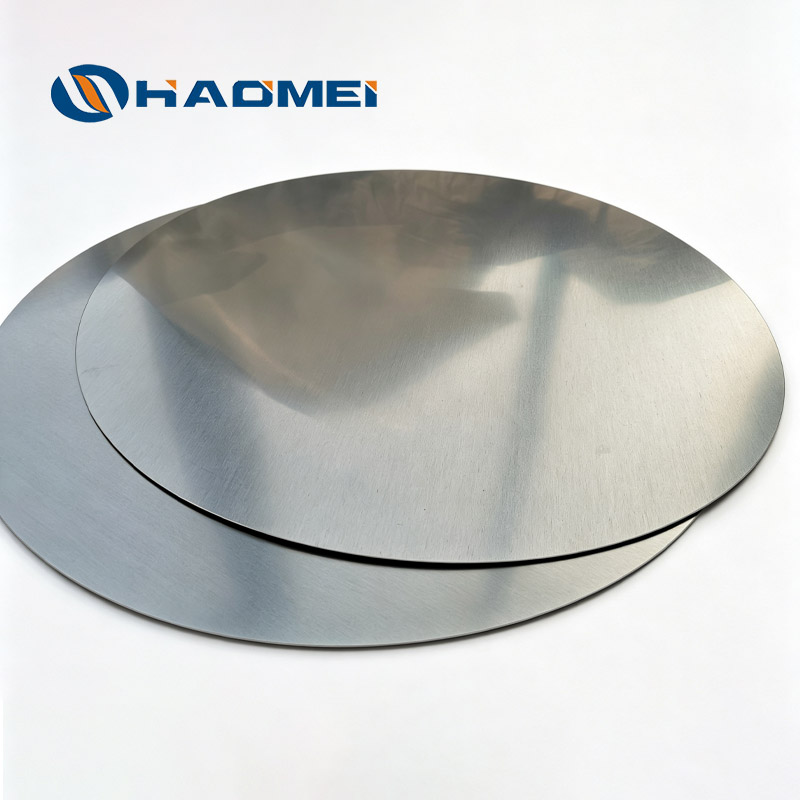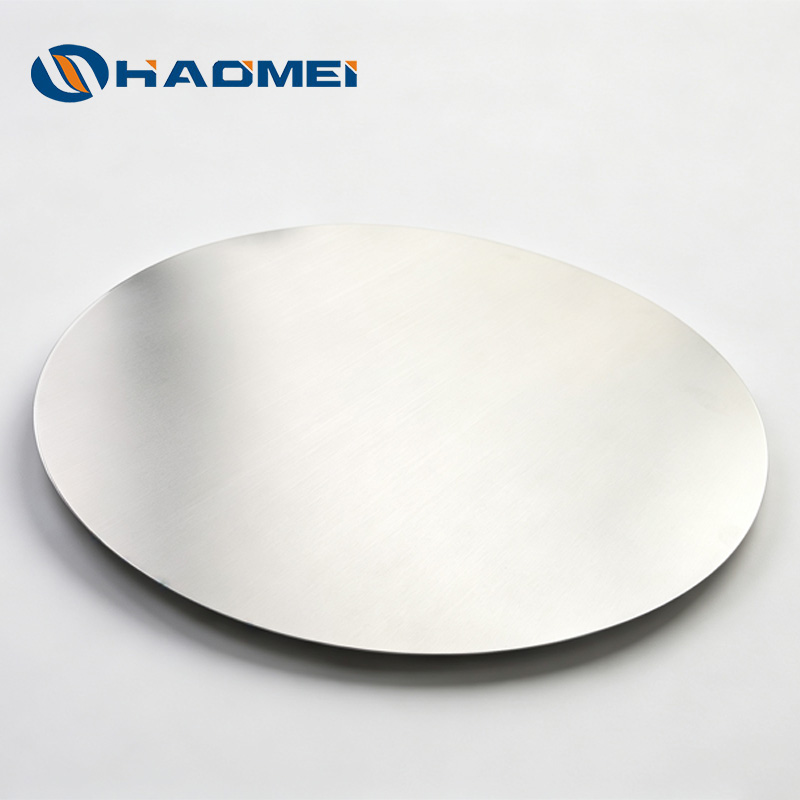


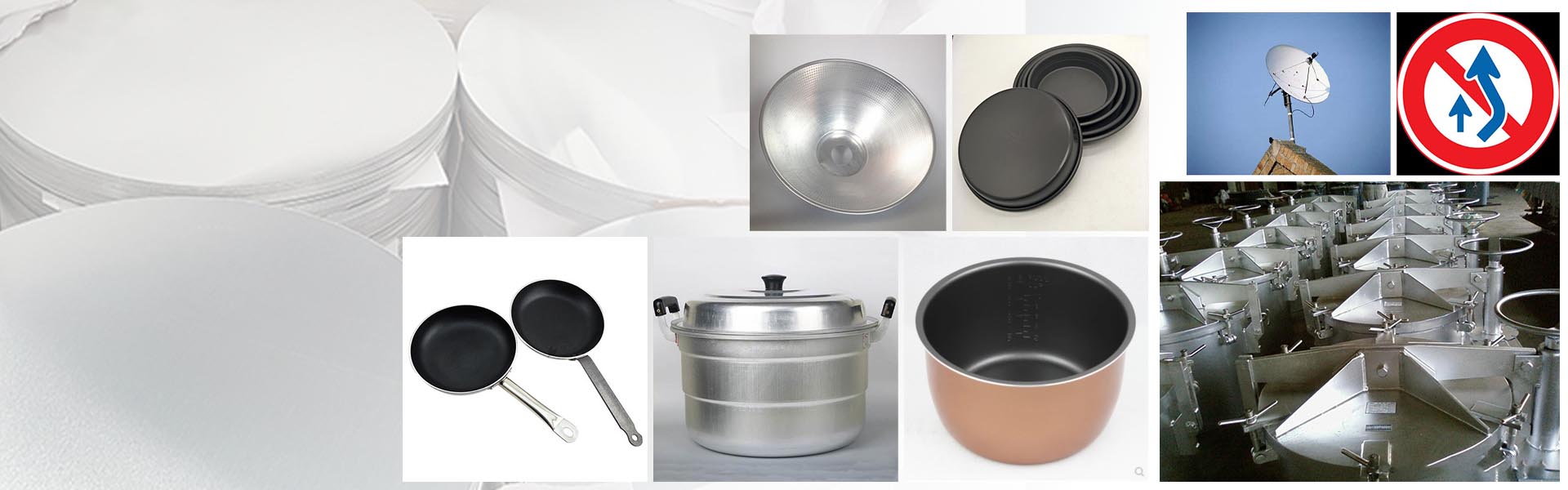
In our daily cooking, the various kitchen utensils we use may seem ordinary, but behind them lie precise material selection and processing techniques. Aluminium discs circles, as precisely cut and uniformly thick circular aluminum alloy sheets, have become one of the core raw materials in the kitchen utensil manufacturing industry due to their advantages such as lightweight, good thermal conductivity, and ease of molding. From small items like frying pans and soup ladles to large items like steamers and pressure cookers, aluminum discs are indispensable.
Diverse Applications
The applications of aluminum discs cover all aspects of kitchen utensils, from cooking appliances to auxiliary tools; they are almost ubiquitous. Their regular circular shape and good plasticity can adapt to different molding processes, meeting the design needs of various kitchen utensils.
First and foremost are core cooking utensils, which is also the primary application area for aluminum discs. Most of the frying pans, woks, and skillets we use daily are made from aluminum discs as the base material. The pan body is formed through deep drawing and spinning processes, and then combined with non-stick coatings or stainless steel composite layers, balancing heat conductivity and practicality.
Soup pots, milk pots, and stew pots utilize the even heat conductivity of aluminum discs to ensure food is heated evenly and prevents localized burning. Furthermore, pressure cookers, rice cooker inner pots, and air fryer baking pans are also frequently made from aluminum discs, reducing weight while improving heating efficiency.
Secondly, aluminum discs are widely used in various kitchen auxiliary utensils. For example, the heads of kitchen spoons, slotted spoons, and rice scoops are made from stamped aluminum discs and then surface-treated, making them both lightweight and durable.
The bases and bodies of seasoning jars and oil bottles utilize the corrosion-resistant properties of aluminum discs to effectively prevent seasonings from corroding the utensils. Even kitchen heat-insulating mats and pot racks often use thin aluminum discs, taking advantage of their good heat dissipation to prevent high temperatures from damaging the countertop.
In addition, some high-end custom kitchen utensils, such as baking pans, pizza pans, and baking molds commonly used in Western cuisine, also use high-quality aluminum discs. Their smooth surface and stable performance ensure even heating of baked goods, improving cooking results.
Alloys and specifications
Alloys and grades | Thickness(mm) | Diameter(mm) | Tempers | Applications |
1000 series(1050,1060,1100) | 0.8-5.0 | 80-600 | O, H14 | Soup pots, milk pots, rice cooker inner pots, kitchen auxiliary utensils (spoons, seasoning jars) |
3000 series(3003) | 1.0-6.0 | 100-800 | O, H16, H18 | Woks, frying pans, skillets, air fryer pans, baking molds |
5000 series(5052) | 1.5-8.0 | 120-1000 | H32,H34 | Pressure cookers, portable outdoor kitchen utensils, heavy-duty woks, high-end baking molds |
Instant quote
Properties of of Aluminum Discs for Kitchen Utensils
Kitchen utensils operate in complex environments, therefore aluminum discs must possess five core properties: thermal conductivity, formability, strength and hardness, food contact safety, and corrosion resistance.
1. Excellent Thermal Conductivity
Excellent thermal conductivity is one of the core properties of aluminum discs. The thermal conductivity must reach 200 W/m·K or higher. Different series have different thermal conductivity, and selection should be made according to specific needs.
2. Good Formability
Aluminum discs must have good formability to avoid cracking and wrinkling during processing. The 1xxx series has the best formability, while the 5xxx series requires specialized processing.
3. Sufficient Strength and Hardness
Aluminum discs must have sufficient strength and hardness. The 3xxx and 5xxx series are superior to the 1xxx series. The appropriate alloy can be selected based on the stress conditions of the kitchen utensils.
4. Food Contact Safety
Aluminum discs must meet food contact safety standards, with pure material free of harmful impurities. The 1xxx series of pure aluminum discs offers superior safety.
5. Good corrosion resistance
Aluminum discs need to have good corrosion resistance. The 3xxx series like 3003 aluminum discs has the best rust prevention performance. Combined with surface treatment processes, the service life of kitchenware can be further extended.
Original source: https://www.aluminum-circle.com/application/aluminum-disc-for-kitchen-utensils.html
Next: Aluminum Circle for Oil Tight Hatch Cover
Prev: Aluminum Circle Plate Round for Lighting