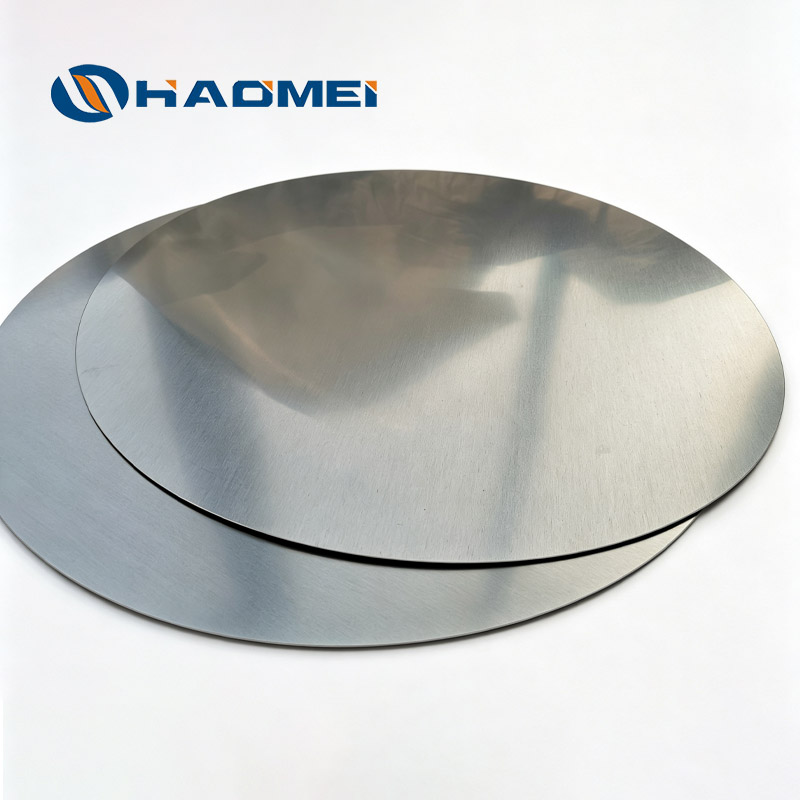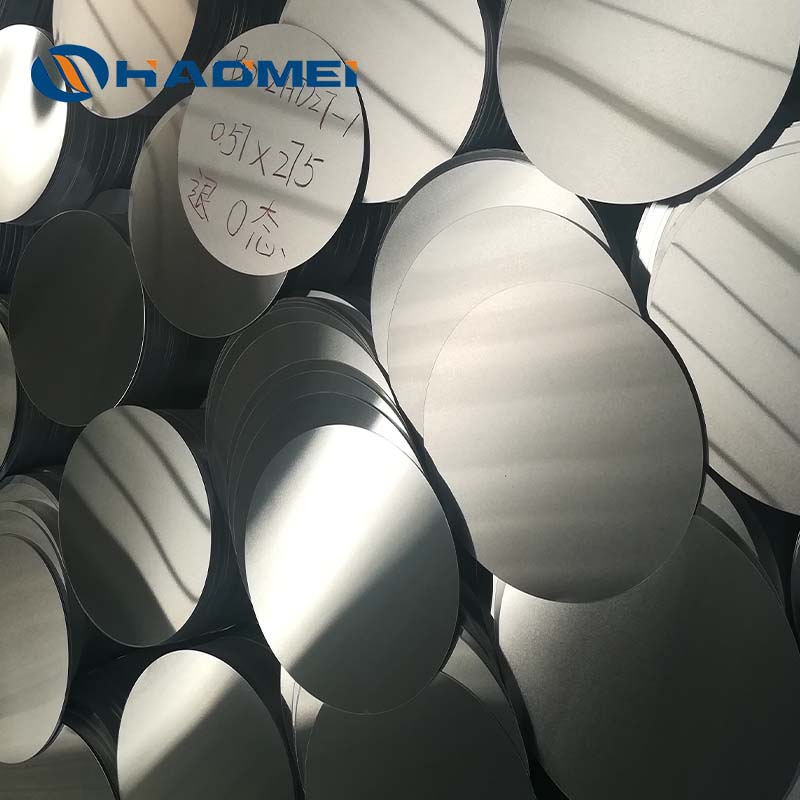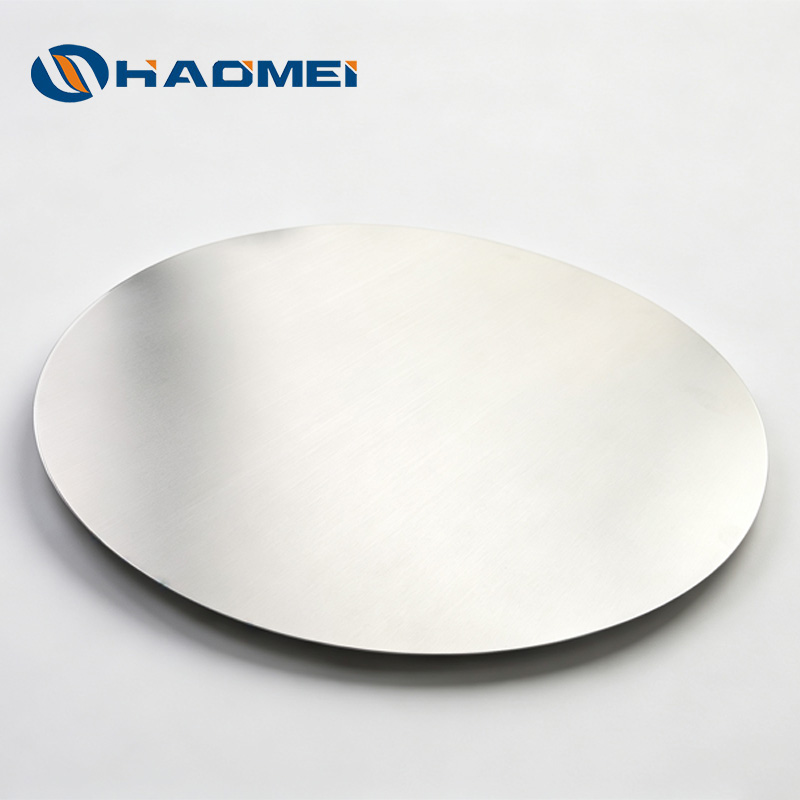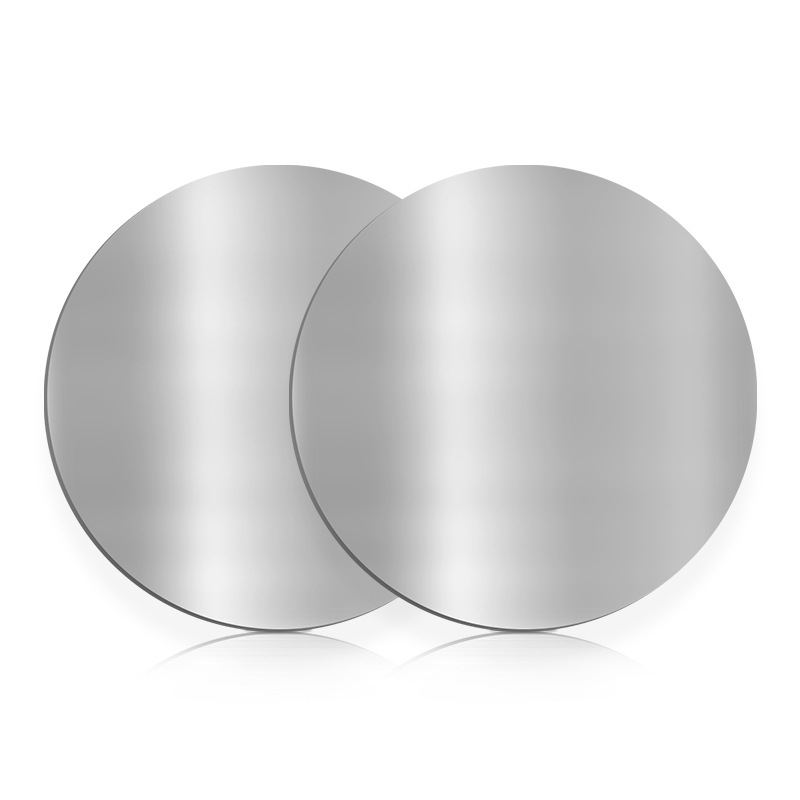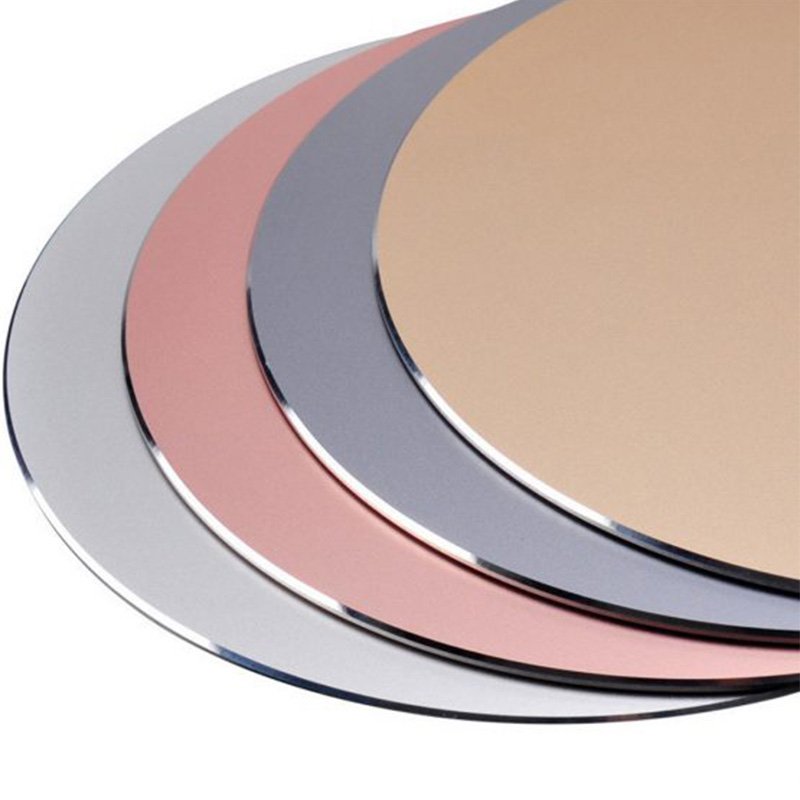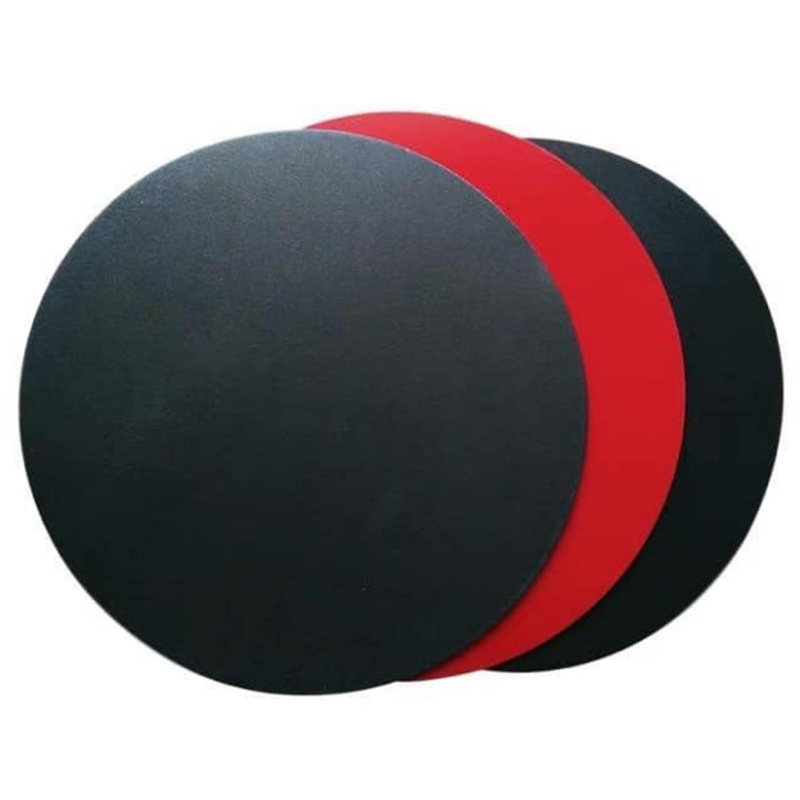


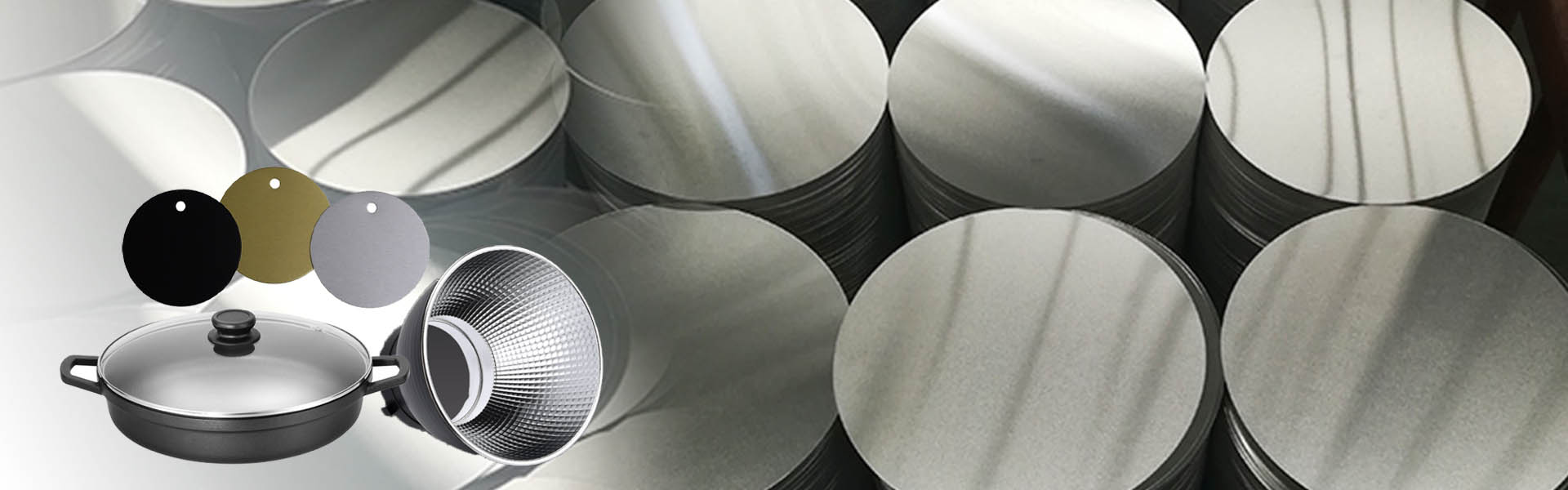
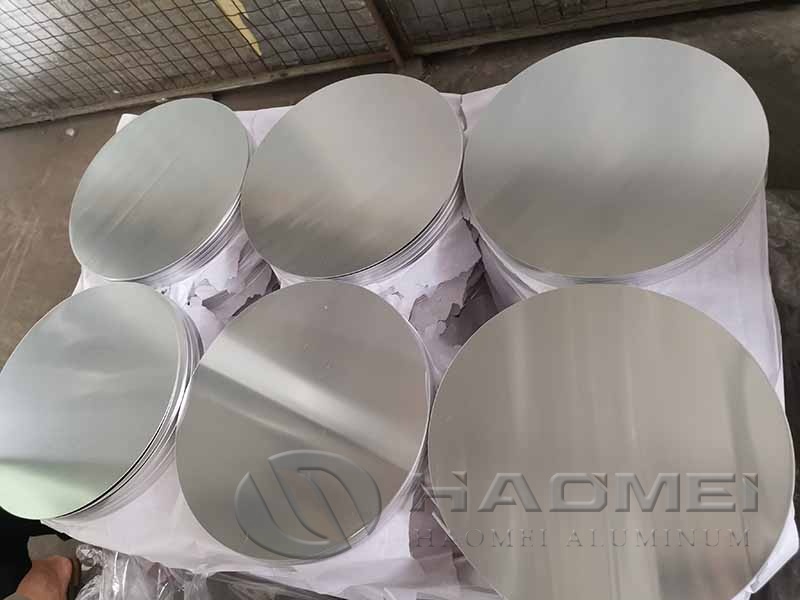
An aluminum round circle, also called an aluminum disc or circle blank, is a precisely cut round material used for cookware, lighting reflectors, traffic signs, pressure vessels, and spun components. Recent English-language Q&A discussions commonly focus on material grade, temper, forming behavior, thickness tolerance, and surface quality.
1. What aluminum grade is best for round circles used in cookware?
For deep-drawn cookware, 1050, 1060, and 1070 aluminum are frequently selected because they have high aluminum purity and good ductility. Their soft structure allows the circle to stretch during drawing without splitting at the rim. Among these options, 1060 is widely used for ordinary pots, pans, and kitchen utensils because it balances forming performance, thermal conductivity, and material cost.
3003 is often preferred when the finished cookware needs somewhat greater strength. It contains manganese, which improves strength compared with 1050 or 1060. However, 3003 generally needs more careful processing during deep drawing because it is less forgiving than pure aluminum grades.
| Application | Common Alloy | Why It Fits |
|---|---|---|
| Deep-drawn cooking pots | 1050, 1060, 1070 | Excellent elongation and heat transfer |
| Spun cookware bodies | 3003 | Higher strength and stable spinning behavior |
| Lighting reflectors | 1050, 1060 | Bright surface potential and easy forming |
| Sign blanks | 3003, 5052 | Better stiffness and outdoor durability |
For standard kitchen production, 1060 Aluminum Disc Circle material is a practical choice when the component requires smooth deep drawing and even heating.
2. Which temper should I choose: O, H12, H14, or H24?
Temper is as important as alloy. It describes the hardness and forming condition of the aluminum round circle. O temper is fully annealed, meaning it is soft and has the highest formability. It is usually the preferred option for deep-drawn pots, pressure cooker bodies, and parts with tall walls.
H12 and H14 tempers are strain-hardened conditions. They offer more stiffness than O temper but less stretching capacity. These conditions can work well for shallow pressing, lamp shades, and flat or gently shaped products. H24 is commonly used where moderate strength is needed after partial annealing.
A simple rule is to match the temper with the forming depth. A shallow stamped part may perform well in H14. A component that must be drawn deeply into a narrow pot shape should normally start with O temper. Choosing material that is too hard can cause edge cracking, orange peel texture, or uneven wall thickness.
3. Why does my aluminum circle crack during deep drawing or spinning?
Cracking is one of the most discussed production problems. It usually begins at the edge or upper wall of the formed part. The cause is not always the circle itself. In many cases, cracking results from a combination of unsuitable temper, rough edge quality, excessive drawing ratio, poor lubrication, or incorrect tool clearance.
Check the following points before changing material:
- Confirm whether the circle is O temper for demanding deep drawing.
- Inspect the edge for burrs, slitting marks, or micro-cracks from blanking.
- Use a suitable lubricant that remains consistent during the full forming cycle.
- Verify punch and die radii, especially for taller cookware shapes.
- Measure circle thickness at several locations rather than at one point only.
For spinning operations, 3003 is commonly used because it maintains shape well under rotational forming. A 3003 Spinning Aluminum Disc Circles option can be appropriate for lamp covers, cookware bases, and formed industrial components requiring added rigidity.
4. How do I choose the right diameter and thickness for an aluminum round circle?
The starting diameter depends on the final product geometry and the selected forming method. A round blank for a shallow frying pan needs less extra material than a blank for a tall stockpot. Manufacturers usually calculate the blank diameter from the finished diameter, wall height, corner radius, and expected material flow.
Thickness should be chosen according to mechanical requirements, heat distribution, and forming depth. Thin circles reduce weight and cost, but they can wrinkle or deform more easily. Thick circles improve rigidity but require higher press capacity and may be harder to draw.
| Finished Product Type | Typical Thickness Range | Common Forming Method |
|---|---|---|
| Small utensil or lid | 0.40 mm to 0.80 mm | Stamping or shallow drawing |
| Frying pan body | 1.00 mm to 3.00 mm | Pressing or spinning |
| Cooking pot | 0.80 mm to 2.50 mm | Deep drawing |
| Lighting component | 0.50 mm to 1.50 mm | Spinning or pressing |
Diameter tolerance matters when the circle feeds into automated tooling. A small diameter deviation may cause off-center forming, inconsistent trimming, or uneven flange dimensions. Confirm the acceptable tolerance with the equipment setup before production begins.
5. What surface quality should I request for anodizing, painting, or polished cookware?
Surface requirements depend on the final finish. For anodizing, the circle should have a clean, uniform surface with minimal rolling marks, oil residue, scratches, and inclusions. Minor defects that are barely visible before anodizing can become more obvious after the oxide layer develops.
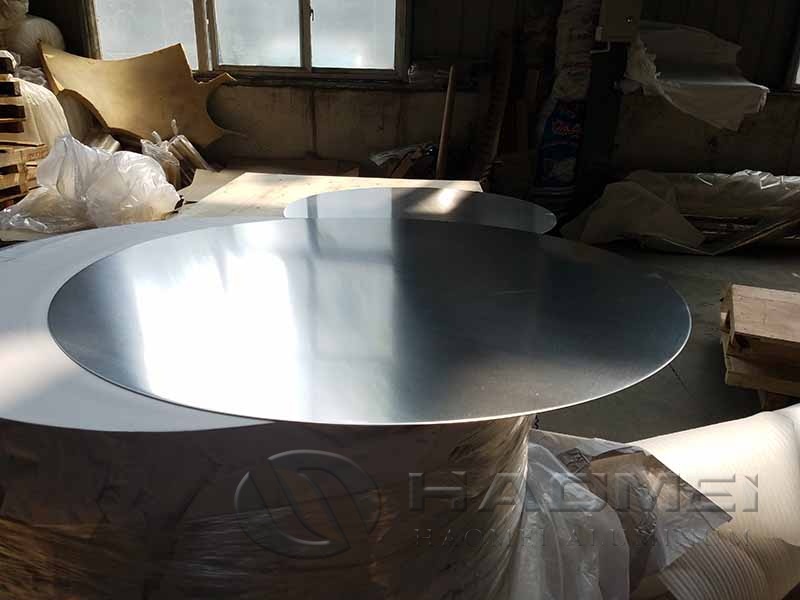
For painted or color-coated products, surface cleanliness affects coating adhesion. For polished cookware, uniform grain and low surface roughness are important because polishing can highlight dents, chatter marks, and handling scratches. Protective interleaving paper is useful when circles are stacked for transport or stored before forming.
When requesting aluminum round circles, specify the alloy, temper, diameter, thickness, thickness tolerance, surface finish, edge condition, and intended forming process. These details help match the material to the actual production method rather than selecting a grade based only on price.
Original source: https://www.aluminum-circle.com/a/aluminum-round-circle.html
Prev: What Are The Uses of Aluminum Circles in Ghana